A Comprehensive Guide to Sustainable Elevator Solutions in Indonesia


Understanding Sustainable Elevator Solutions
As urbanization accelerates in Indonesia, the demand for efficient and eco-friendly infrastructure is on the rise. Elevators play a crucial role in modern buildings, and sustainable elevator solutions are becoming more essential to reduce energy consumption and environmental impact. In this guide, we explore the various aspects of sustainable elevator solutions available in Indonesia.
The Importance of Energy Efficiency
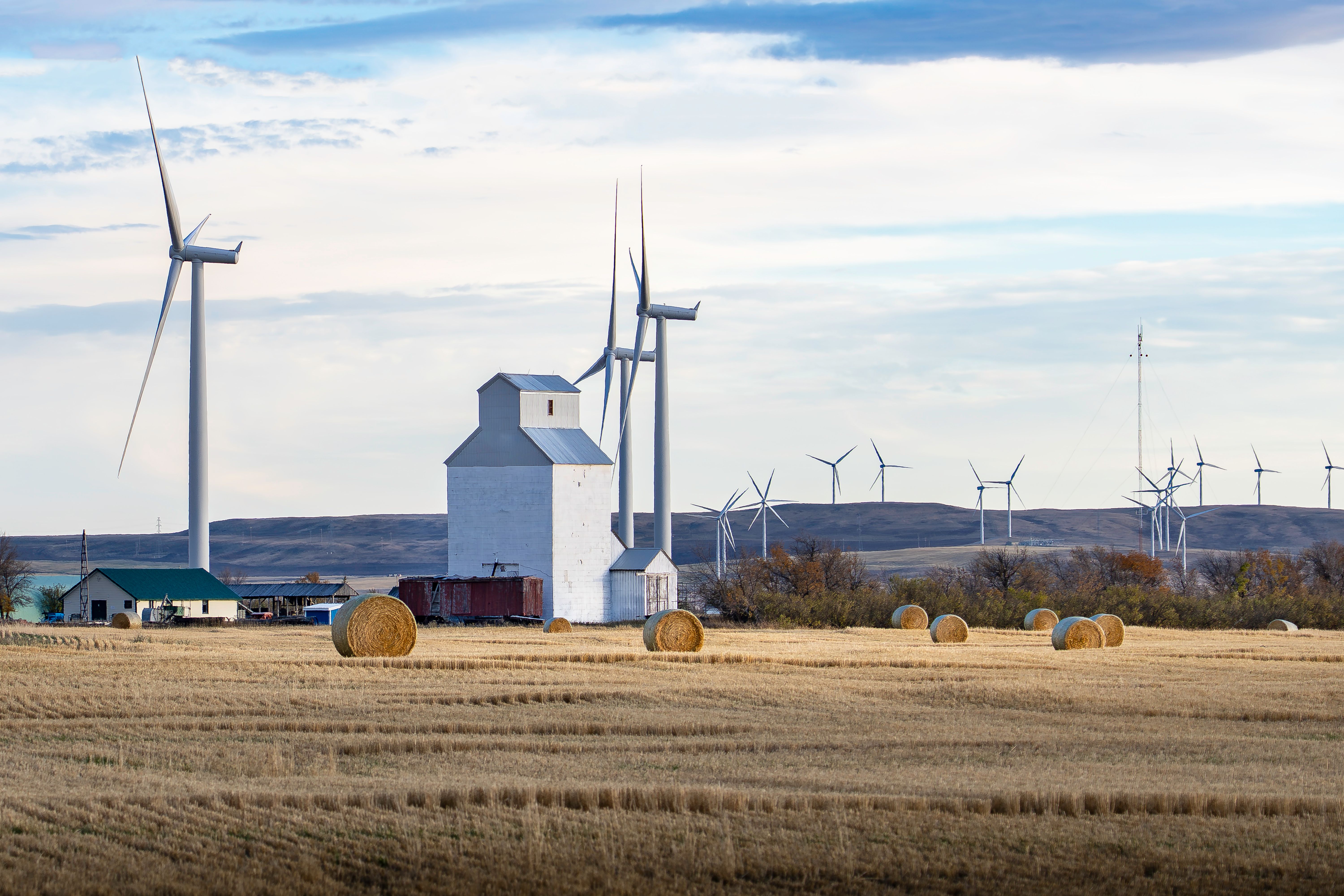
One of the primary goals of sustainable elevators is to enhance energy efficiency. Modern elevators use advanced technologies like regenerative drives, which capture energy generated during the elevator's descent and feed it back into the building's power grid. This not only reduces electricity usage but also lowers operational costs.
Additionally, implementing energy-efficient lighting and standby modes can significantly cut down the energy consumption of elevators. These features ensure that elevators consume the least amount of power when not in active use.
Eco-Friendly Materials and Design
Another vital component of sustainable elevator solutions is the use of eco-friendly materials. Manufacturers are increasingly opting for recyclable and non-toxic materials to construct elevator components. This approach not only reduces the environmental footprint but also ensures safer indoor air quality.
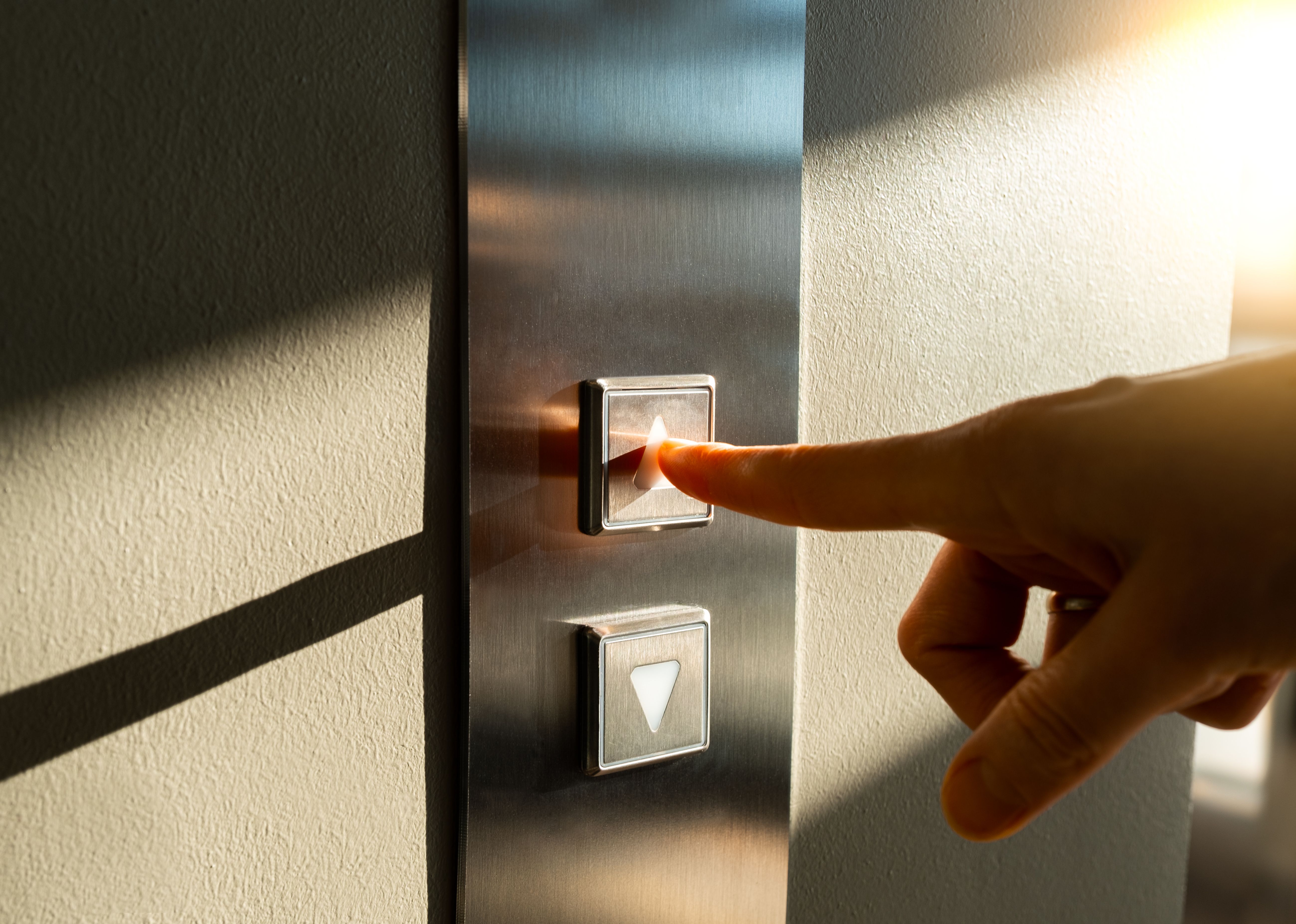
The design of elevators also plays a crucial role in sustainability. Compact and lightweight designs require less energy to operate, further contributing to energy savings. By focusing on streamlined designs, manufacturers can enhance both the efficiency and aesthetics of elevators.
Smart Technology Integration
Integrating smart technology into elevators can significantly boost their sustainability. Smart elevators equipped with IoT (Internet of Things) capabilities offer real-time data monitoring and predictive maintenance, which helps in reducing downtime and energy wastage.
These smart systems can optimize elevator routes, reducing unnecessary stops and improving overall efficiency. By leveraging technology, building managers can ensure that elevators operate at their peak performance with minimal environmental impact.
Regulatory Compliance and Incentives
Indonesia has set ambitious goals to promote sustainable development, and the elevator industry is no exception. Regulatory frameworks are being established to encourage the adoption of green technologies in building projects. Compliance with these regulations not only ensures safety and efficiency but also provides potential incentives for builders and developers.
Government incentives, such as tax reductions and grants, can make sustainable elevator solutions more accessible and appealing for property developers. Engaging with these opportunities can lead to long-term benefits for both the environment and businesses.
The Future of Elevators in Indonesia
As Indonesia continues to grow, the adoption of sustainable elevator solutions will become increasingly vital. By embracing energy-efficient technologies, eco-friendly materials, and smart innovations, the elevator industry can contribute significantly to a greener future.
Collaboration between manufacturers, developers, and regulatory bodies is essential to drive this change. With concerted efforts, Indonesia can lead the way in sustainable urban development, setting an example for other nations to follow.