Case Study: Successful Escalator Modernization Projects in Jakarta


In recent years, the rapid urbanization of Jakarta has led to a significant increase in the demand for efficient and reliable public infrastructure. One of the critical components of this infrastructure is escalators, which play a vital role in managing the flow of people in busy transit areas. This case study explores some of the most successful escalator modernization projects in Jakarta, highlighting the strategies and technologies used to enhance performance and safety.
Understanding the Need for Modernization
As Jakarta continues to grow, the existing escalator systems face challenges such as increased wear and tear, outdated technology, and the need for improved safety standards. Modernization projects aim to address these issues by upgrading components, incorporating advanced technologies, and ensuring compliance with international safety standards.
Key Drivers for Modernization
Several factors drive the need for escalator modernization in Jakarta:
- Increased Passenger Volume: As more people use public transportation, escalators must handle higher traffic efficiently.
- Safety Concerns: Older systems may not meet current safety regulations, posing risks to passengers.
- Energy Efficiency: Modern systems are designed to be more energy-efficient, reducing operational costs.
Notable Modernization Projects
Several successful projects in Jakarta have set benchmarks for escalator modernization. Each project provides valuable insights into the planning, execution, and benefits of updating these essential systems.
Project A: Transit Hub Overhaul
This project involved the complete overhaul of escalators in one of Jakarta's busiest transit hubs. The modernization included the installation of energy-efficient motors, advanced sensors for real-time monitoring, and improved safety features such as automatic emergency stops.
Project B: Retail Complex Revamp
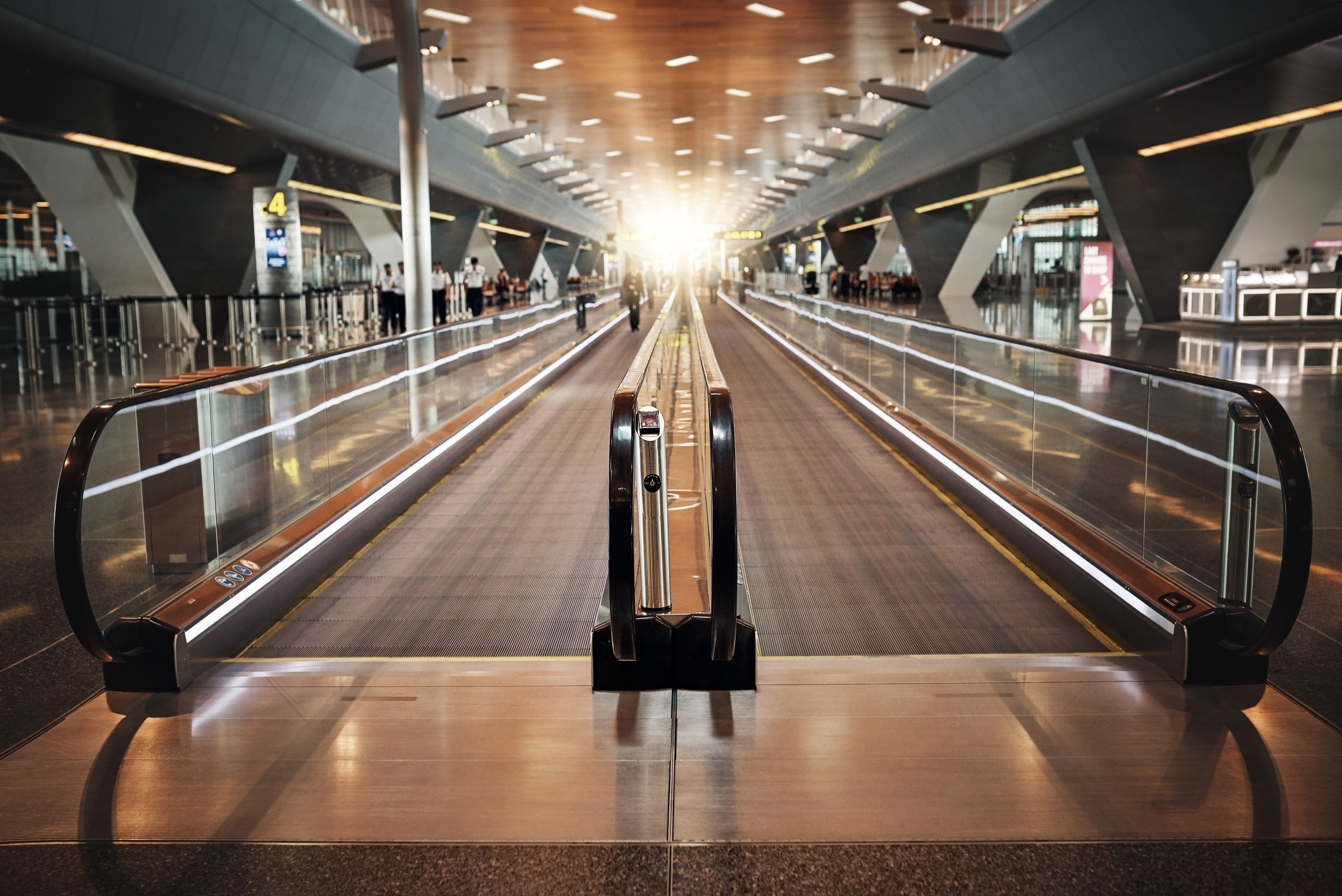
In a major retail complex, escalators were upgraded to enhance aesthetic appeal and functionality. The modernization included LED lighting, noise reduction mechanisms, and smart control systems to adjust speed based on foot traffic.
Technologies and Innovations
Modernization projects in Jakarta have embraced cutting-edge technologies to improve escalator performance. Key innovations include:
- Smart Sensors: These sensors monitor usage patterns and adjust operation for optimal efficiency.
- Regenerative Drives: These systems capture energy generated during operation and feed it back into the building's power supply.
- Remote Monitoring: Allows for real-time diagnostics and maintenance scheduling, minimizing downtime.
Impact and Benefits
The impact of these modernization projects is significant, offering numerous benefits to the city and its residents. Enhanced safety, increased reliability, and reduced energy consumption contribute to a more sustainable urban environment. Additionally, modern escalators provide a better user experience, encouraging more people to use public transportation and reducing traffic congestion.
In conclusion, the successful escalator modernization projects in Jakarta demonstrate the importance of investing in infrastructure upgrades. By leveraging new technologies and addressing key challenges, these projects not only improve the functionality of escalators but also contribute to the overall development of the city's public transportation system.