DIY Elevator Safety Checks: What Building Managers in Jakarta Need to Know


As a building manager in Jakarta, ensuring the safety and reliability of your elevators is of paramount importance. Regular professional inspections are crucial, but there are also basic DIY safety checks you can perform. These checks help maintain your elevators between professional inspections, ensuring they operate smoothly and safely.
Understanding Basic Elevator Components
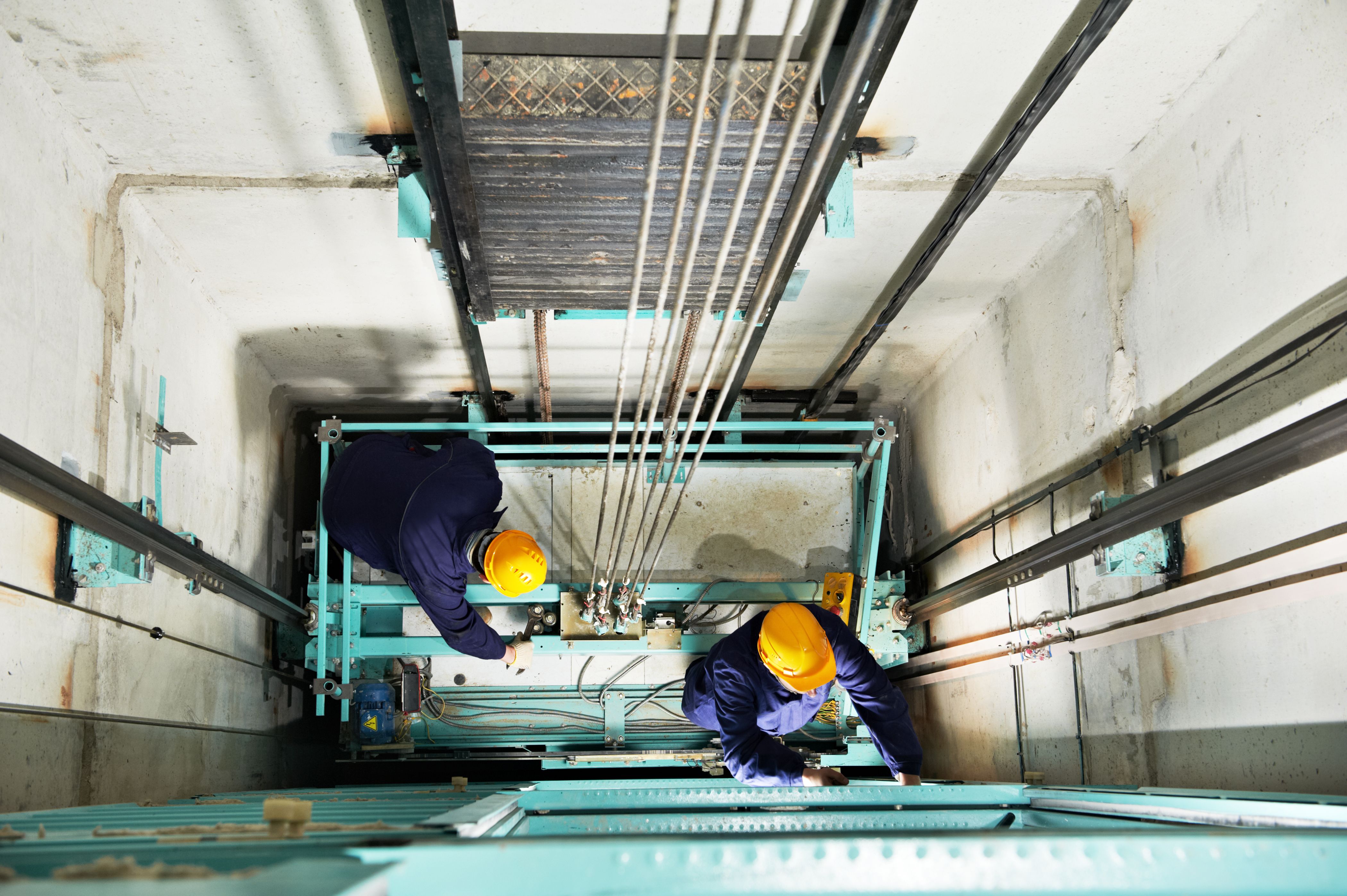
Before diving into safety checks, it's essential to have a basic understanding of elevator components. The key parts include the car, cables, doors, control systems, and safety brakes. Familiarizing yourself with these elements can help you identify potential issues during your DIY inspections.
Car and Cables
The elevator car is the compartment that transports passengers or goods. Check for any unusual noises or vibrations, which might indicate a problem. The cables, which support and move the car, should be inspected for wear and tear. If you notice any fraying or damage, contact a professional immediately.
Performing DIY Safety Checks
While comprehensive checks should be left to professionals, there are simple inspections you can perform regularly to ensure the elevator is functioning correctly. Here’s a checklist to get you started:
- Door Operation: Ensure doors open and close smoothly without any jerking movements.
- Control Panels: Test all buttons and switches to confirm they are responsive.
- Emergency Systems: Verify that emergency alarms and communication devices are operational.
Auditory and Visual Inspections
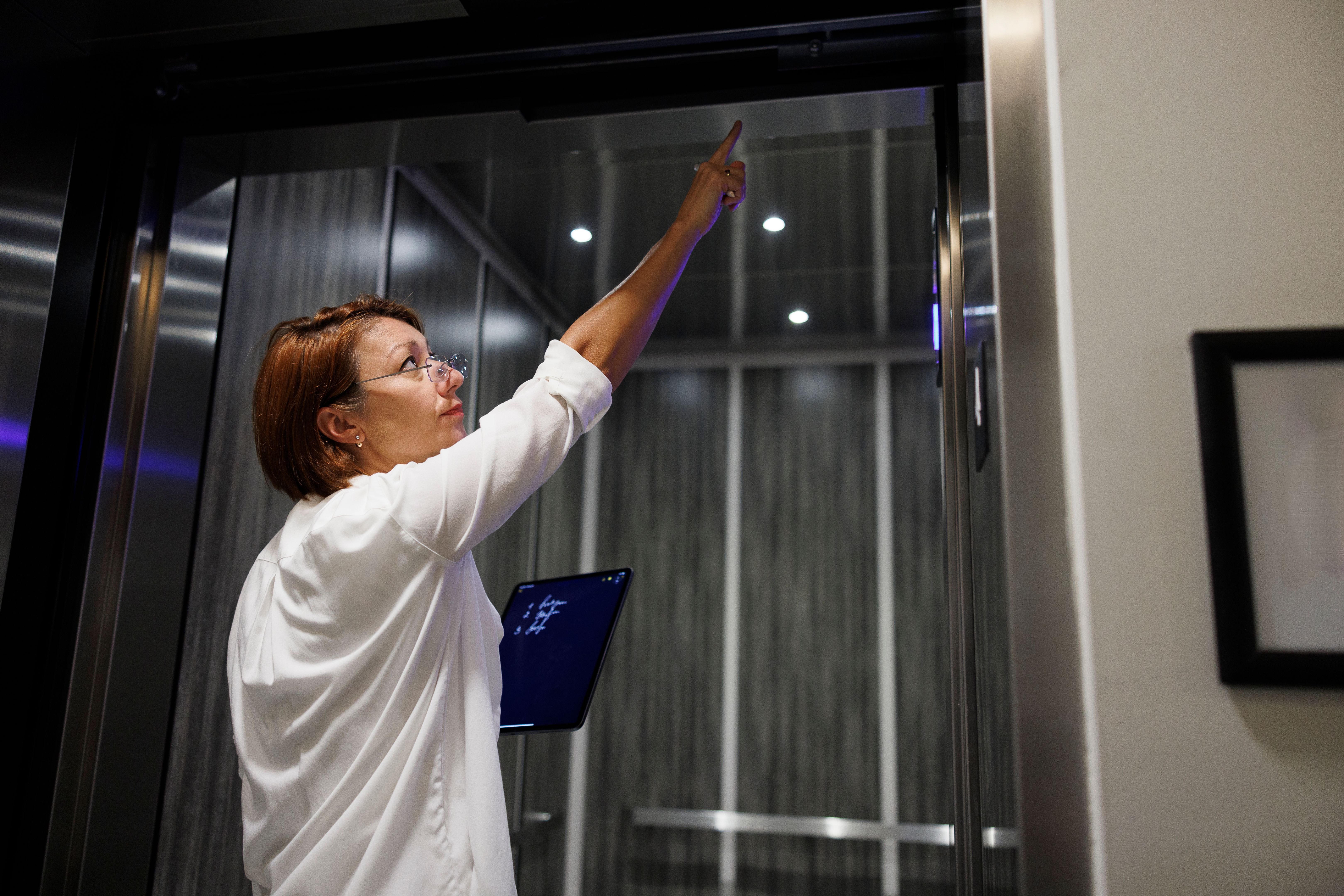
When conducting your checks, pay attention to sounds and visuals. Listen for any grinding or unusual noises, and look for signs of wear on the elevator components. This can give you an early indication of potential issues that may require professional attention.
Maintaining a Safe Environment
In addition to mechanical checks, maintaining a clean and safe environment around your elevators is crucial. Ensure that the area is well-lit and free from obstructions. This helps prevent accidents and ensures smooth operation.
Documentation and Record Keeping
Keep a detailed log of all your DIY checks, including dates, findings, and any actions taken. This documentation is invaluable for tracking maintenance history and can assist professionals during their inspections. It also demonstrates your commitment to safety and proactive maintenance.
When to Call a Professional
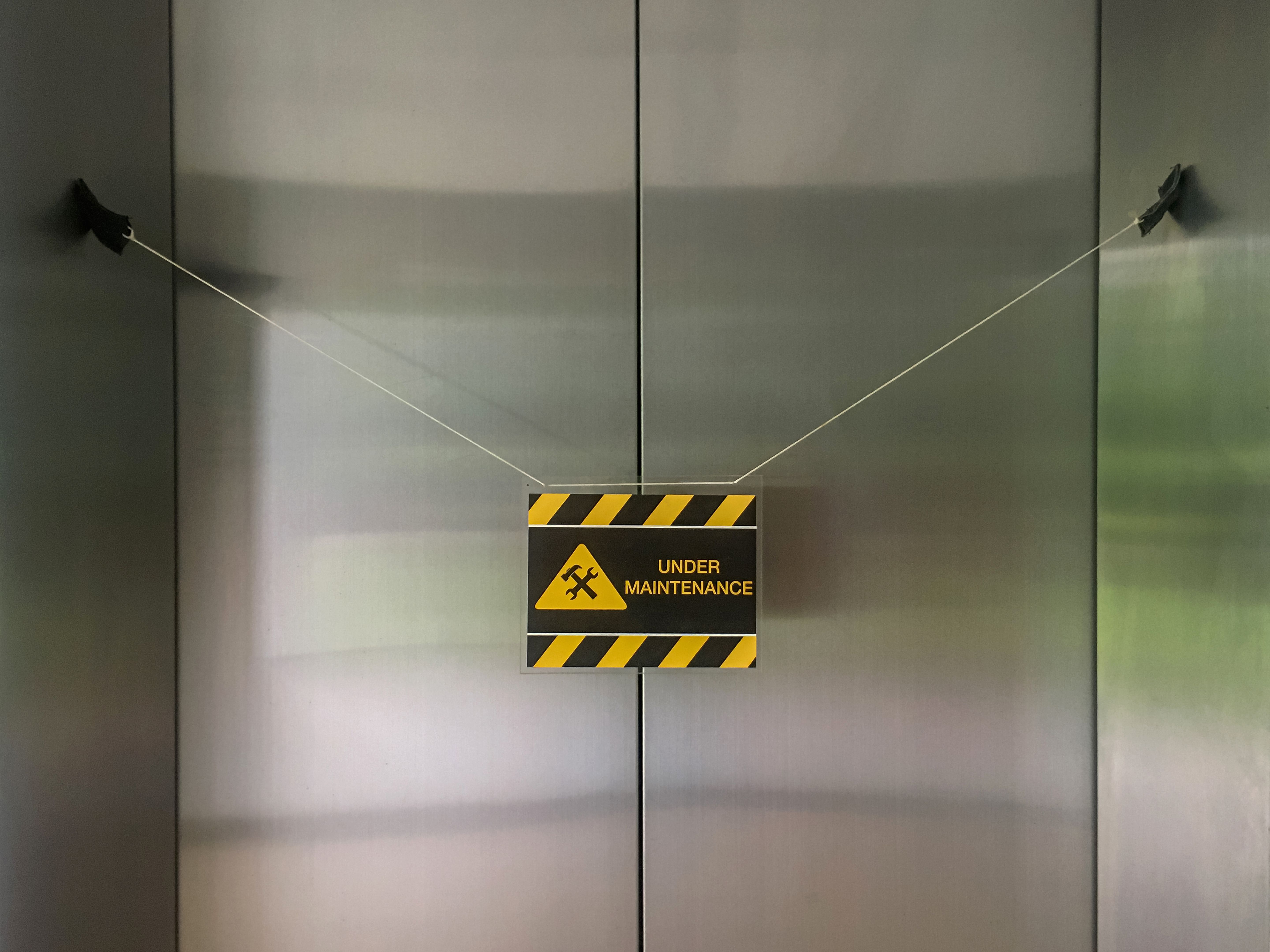
While DIY checks are helpful, they are not a substitute for professional inspections. If you notice any significant issues, such as frequent breakdowns or unusual noises, contact a certified elevator technician. Regular professional maintenance is a legal requirement and essential for ensuring long-term safety and compliance.
By combining regular DIY checks with professional inspections, building managers in Jakarta can ensure their elevators remain safe and efficient, providing peace of mind to both managers and tenants alike.