Expert Insights: The Future of Elevator Technology in Jakarta


Revolutionizing Urban Mobility
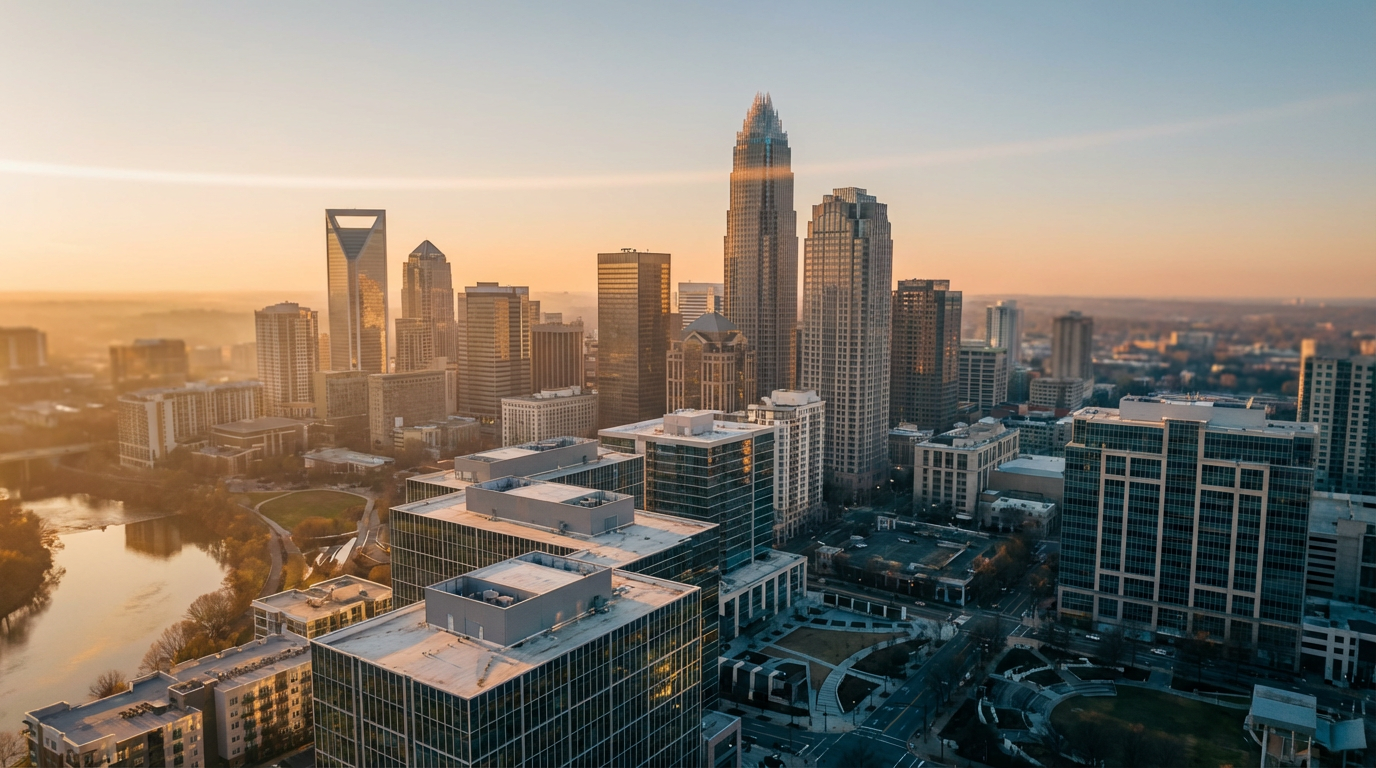
In the bustling city of Jakarta, where skyscrapers dominate the skyline, the need for efficient vertical transportation has never been more crucial. Elevators are not just about moving people and goods; they are becoming an integral part of urban planning and smart city development. With technological advancements, the future of elevator technology in Jakarta is set to transform.
One of the most significant changes is the integration of smart technology. Modern elevators are increasingly equipped with IoT sensors and AI systems, enabling them to predict maintenance needs and optimize energy consumption. This not only enhances efficiency but also reduces downtime, ensuring a smoother experience for users.
Innovations Driving the Future
Among the innovations, destination control systems are gaining popularity. These systems use algorithms to group passengers based on their destinations, minimizing stops and travel time. For a city as busy as Jakarta, this means reduced waiting times and improved traffic flow within buildings.
Additionally, the implementation of energy-efficient designs is becoming a priority. Elevators now incorporate regenerative drives that send energy back to the building's power grid. This not only conserves energy but also contributes to the building's sustainability goals.

Enhancing User Experience
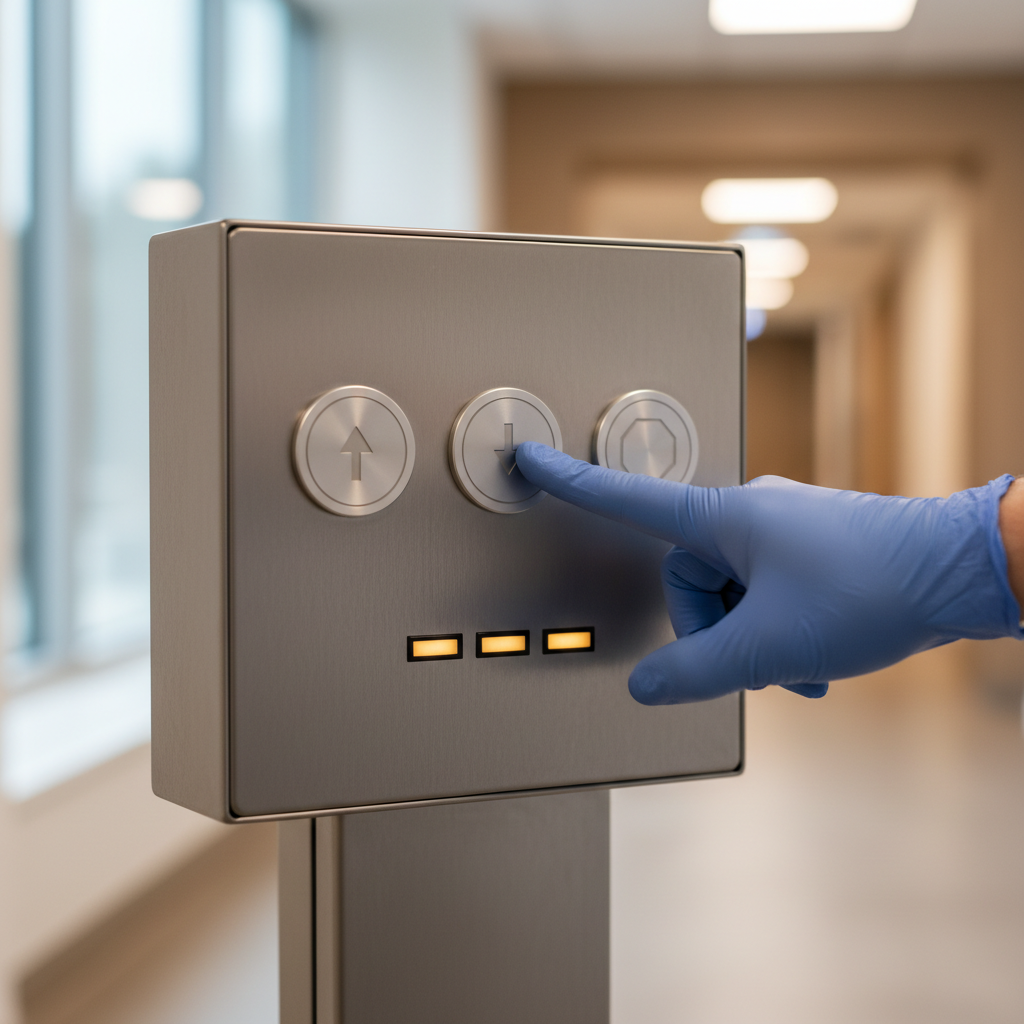
User experience is at the forefront of elevator innovation. The introduction of touchless controls and voice-activated commands caters to the modern user's need for convenience and safety. As health and hygiene concerns remain high, these features offer a contactless alternative that is both futuristic and practical.
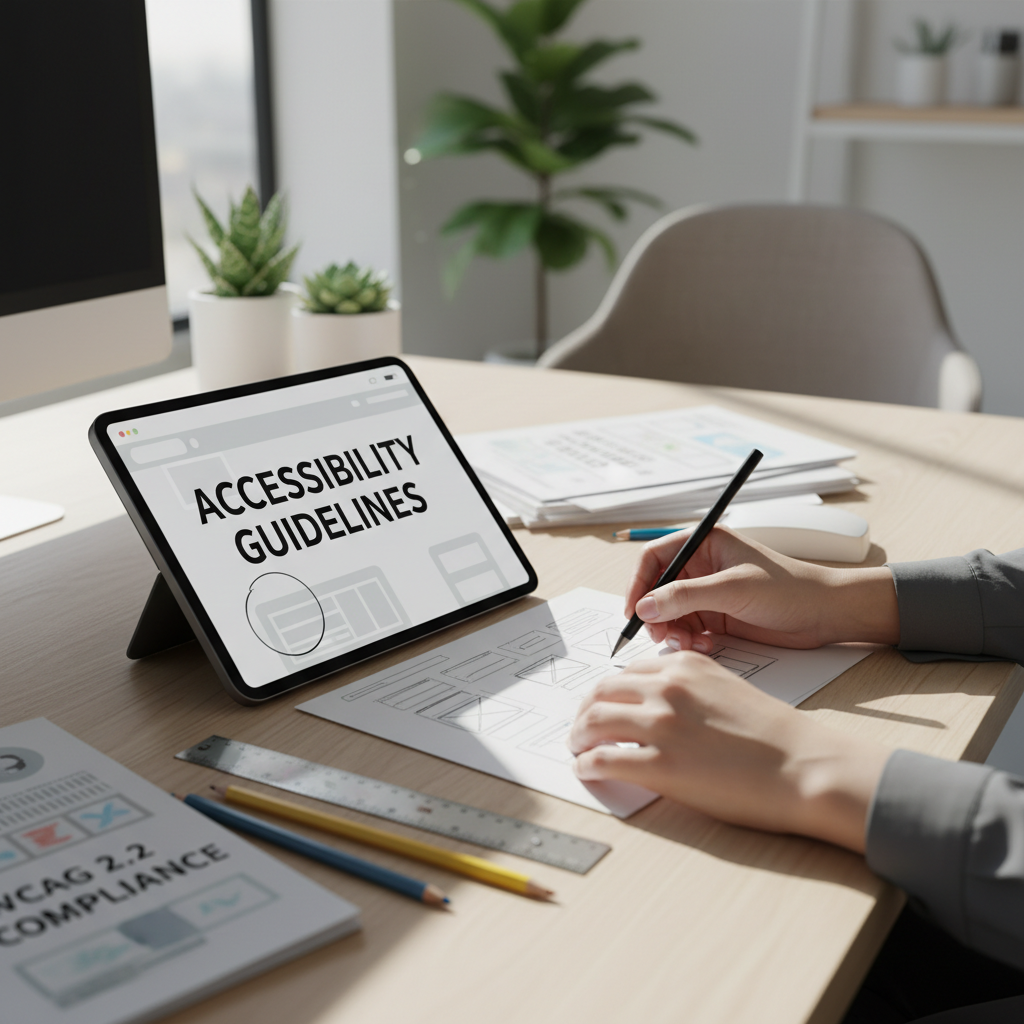
Furthermore, elevators are now being designed with inclusive access in mind. Features such as adjustable handrails, auditory announcements, and braille buttons ensure that elevators are accessible to everyone, including people with disabilities.
Challenges and Opportunities
Despite these advancements, challenges remain. The implementation of cutting-edge elevator technology requires substantial investment and infrastructure upgrades. However, the potential benefits in terms of efficiency, safety, and sustainability present significant opportunities for developers and city planners.
Moreover, as Jakarta continues to grow, the demand for smarter, more efficient elevator systems will only increase. Collaborative efforts between government bodies, technology providers, and construction companies are essential to drive this evolution forward.
The Road Ahead
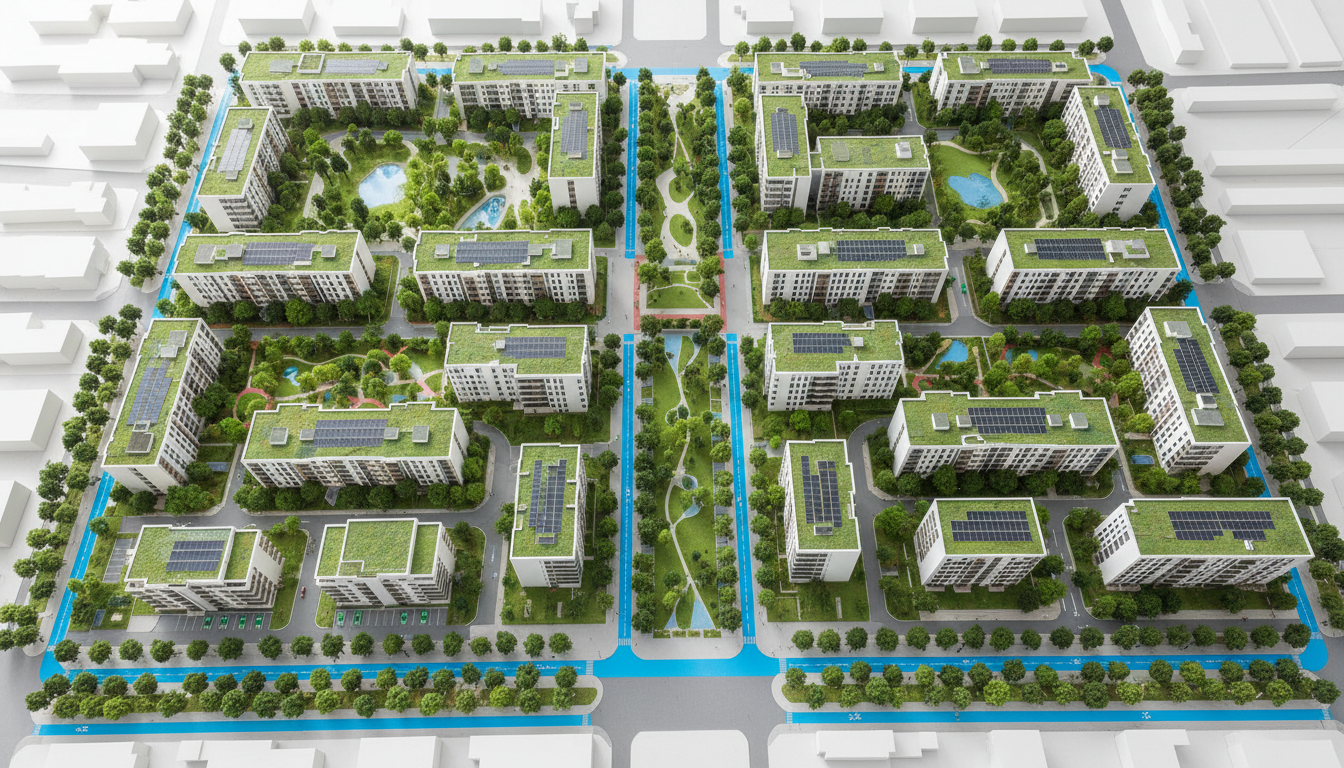
Looking to the future, the integration of vertical transportation solutions with other smart city initiatives will be key. This includes linking elevators with urban mobility apps, real-time traffic updates, and building management systems. Such integration will create a seamless urban experience that aligns with Jakarta’s vision of becoming a smarter, more connected city.
As technology continues to advance, the role of elevators in Jakarta will undoubtedly evolve. By embracing these innovations, the city can enhance its urban mobility landscape, making it more efficient, sustainable, and user-friendly for its residents and visitors alike.