Exploring Sustainable Elevator Solutions in Indonesia: A Modernization Approach


Introduction to Sustainable Elevators
As urbanization accelerates in Indonesia, the demand for efficient and eco-friendly elevator solutions becomes increasingly crucial. Sustainable elevator technology not only helps reduce the carbon footprint but also enhances the overall efficiency of buildings. Modernizing existing elevator systems is a significant step towards achieving these goals.
The Importance of Modernization
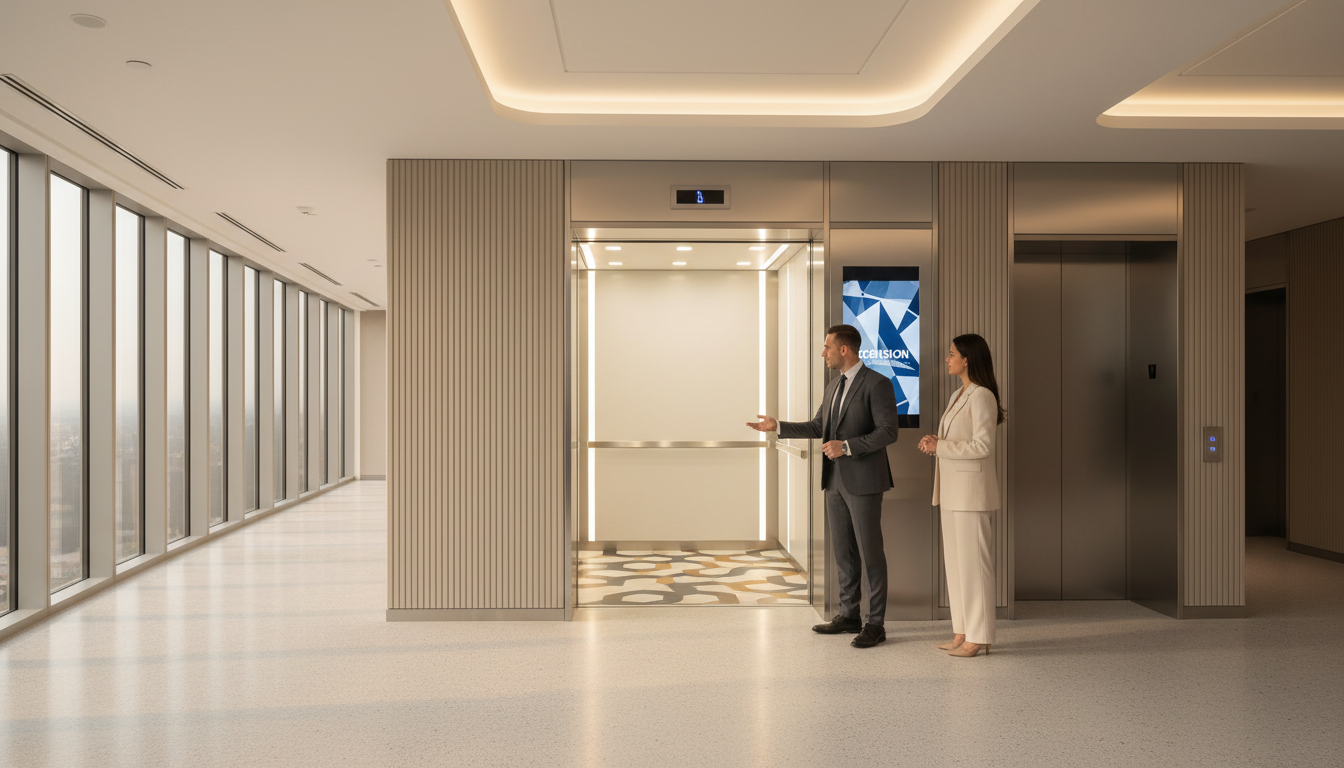
Many buildings in Indonesia still rely on outdated elevator systems that consume excessive energy and require frequent maintenance. Modernization involves upgrading these systems to improve performance, safety, and energy efficiency. This process can lead to substantial energy savings, reducing operational costs and environmental impact.
Key Benefits of Elevator Modernization
Modernizing elevators offers several advantages, including:
- Enhanced Energy Efficiency: New technologies reduce energy consumption significantly.
- Improved Safety: Upgraded systems meet modern safety standards.
- Increased Reliability: Reduces the risk of breakdowns and extends the lifespan of the elevator.
Innovative Technologies in Sustainable Elevators
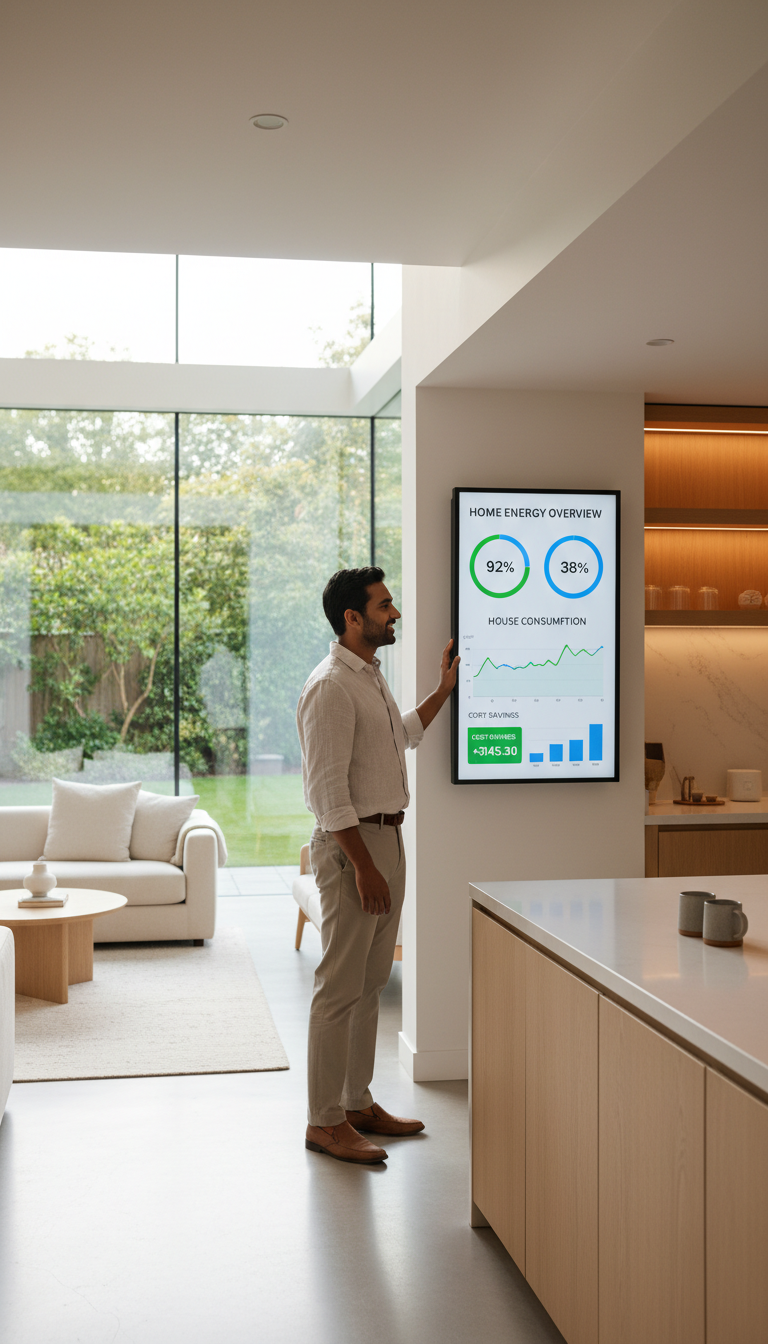
Recent advancements in elevator technology focus on sustainability and efficiency. Regenerative drives, for instance, convert excess energy into electricity that can be fed back into the building's power grid. Additionally, destination control systems optimize traffic flow, reducing wait times and energy use.
Regenerative Drives
This technology captures energy generated during the elevator’s operation and redirects it for use elsewhere in the building. By doing so, it can reduce energy consumption by up to 30%.
Implementing Sustainable Solutions in Indonesia
Adopting sustainable elevator solutions in Indonesia involves collaboration between government bodies, private sectors, and technology providers. Incentives for modernization and regulations promoting energy efficiency can accelerate this transition.
Government Initiatives and Support
The Indonesian government plays a pivotal role in encouraging sustainable practices by offering tax benefits and subsidies for green building projects. These initiatives can motivate building owners to invest in modern, eco-friendly elevators.
Challenges and Opportunities
While the benefits are clear, several challenges hinder the widespread adoption of sustainable elevators in Indonesia. High initial costs and a lack of awareness about the advantages of modernization are significant barriers. However, these challenges also present opportunities for educational initiatives and partnerships.
Educational Campaigns
Raising awareness about the long-term savings and environmental benefits of sustainable elevators can drive demand. Workshops, seminars, and collaboration with industry experts can play a vital role in this effort.
Conclusion: A Sustainable Future
Exploring sustainable elevator solutions in Indonesia is not just about reducing energy consumption; it’s about fostering a culture of environmental responsibility and innovation. By embracing modernization, Indonesia can set a precedent in sustainable urban development, paving the way for a greener future.