Innovative Trends in Lift and Escalator Technology


Introduction to Innovative Trends
The world of lift and escalator technology is experiencing a revolution. As urbanization accelerates, the demand for efficient and smart transportation within buildings has never been more critical. These innovations are transforming how we move within high-rise buildings, ensuring safety, efficiency, and convenience.
In this blog post, we will explore some of the most groundbreaking trends in the industry, highlighting the technologies that are setting new standards for vertical transportation.
Smart Elevators
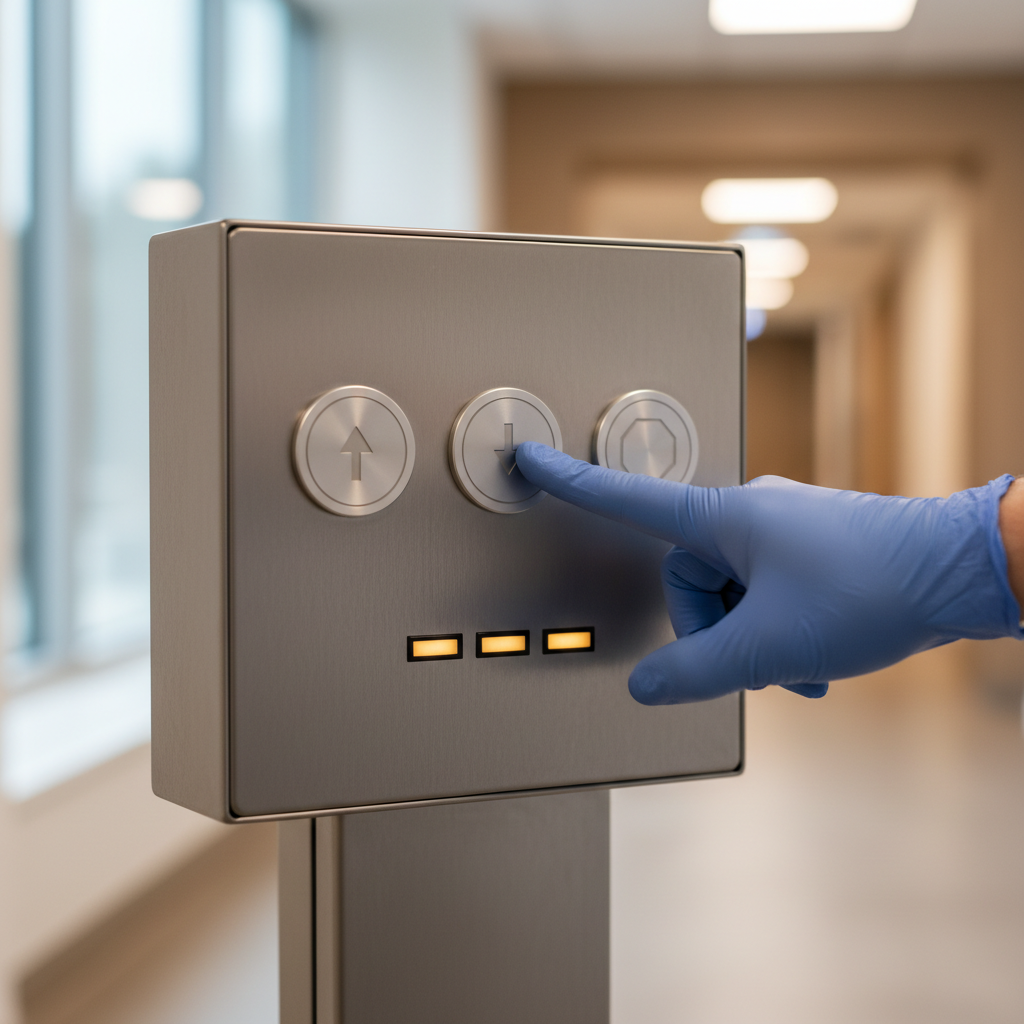
Smart elevators are at the forefront of this technological innovation. Equipped with artificial intelligence and IoT capabilities, these elevators can predict peak usage times, optimize energy consumption, and reduce waiting times. They offer personalized experiences by adjusting to user preferences and automating destination selection.
Furthermore, smart elevators can communicate with building management systems, providing real-time data on usage and maintenance needs. This connectivity allows for predictive maintenance, reducing downtime and enhancing safety.
Energy Efficiency
Energy efficiency is a crucial consideration in modern elevator design. New technologies, such as regenerative drives, are making elevators more sustainable by converting kinetic energy into electricity. This energy can be fed back into the building's power grid, reducing overall energy consumption.
Additionally, the use of advanced materials and lightweight construction reduces the energy required for operation, further enhancing the environmental benefits.

Touchless Technology
In a post-pandemic world, touchless technology has gained significant importance. Elevators now feature touchless control panels and voice-activated systems, allowing users to select their destination without physical contact. This innovation not only enhances convenience but also promotes hygiene and safety.
Advanced Safety Features
Safety remains a top priority in lift and escalator technology. Modern systems are equipped with advanced safety features like real-time monitoring and emergency communication systems. Enhanced braking systems and sensors ensure passenger safety by detecting obstacles and preventing accidents.
Integration with Building Systems
Integration with other building systems is another exciting trend. Elevators and escalators can now be seamlessly integrated with fire alarms, HVAC systems, and security systems. This integration ensures a coordinated response in emergencies, enhancing both safety and efficiency.
For instance, in the event of a fire, elevators can be programmed to assist in evacuation, while escalators can be halted to prevent panic.
Conclusion
The lift and escalator industry is undergoing a remarkable transformation. From smart technology to energy efficiency, these innovations are setting new benchmarks in vertical transportation. As these technologies continue to evolve, they promise to enhance our urban living experiences, making them safer, more efficient, and environmentally friendly.
Staying informed about these trends is crucial for architects, building managers, and urban planners seeking to incorporate cutting-edge solutions into their designs and operations.