Latest Trends in Elevator Technology: Innovations in Lift Systems


Introduction to Modern Elevator Systems
In recent years, elevator technology has seen remarkable advancements, transforming how we perceive vertical transportation. These innovations not only enhance functionality but also improve safety and energy efficiency. As urbanization continues to rise, the demand for smarter and more efficient lift systems is more crucial than ever.
Smart Elevators: The Future of Vertical Transport
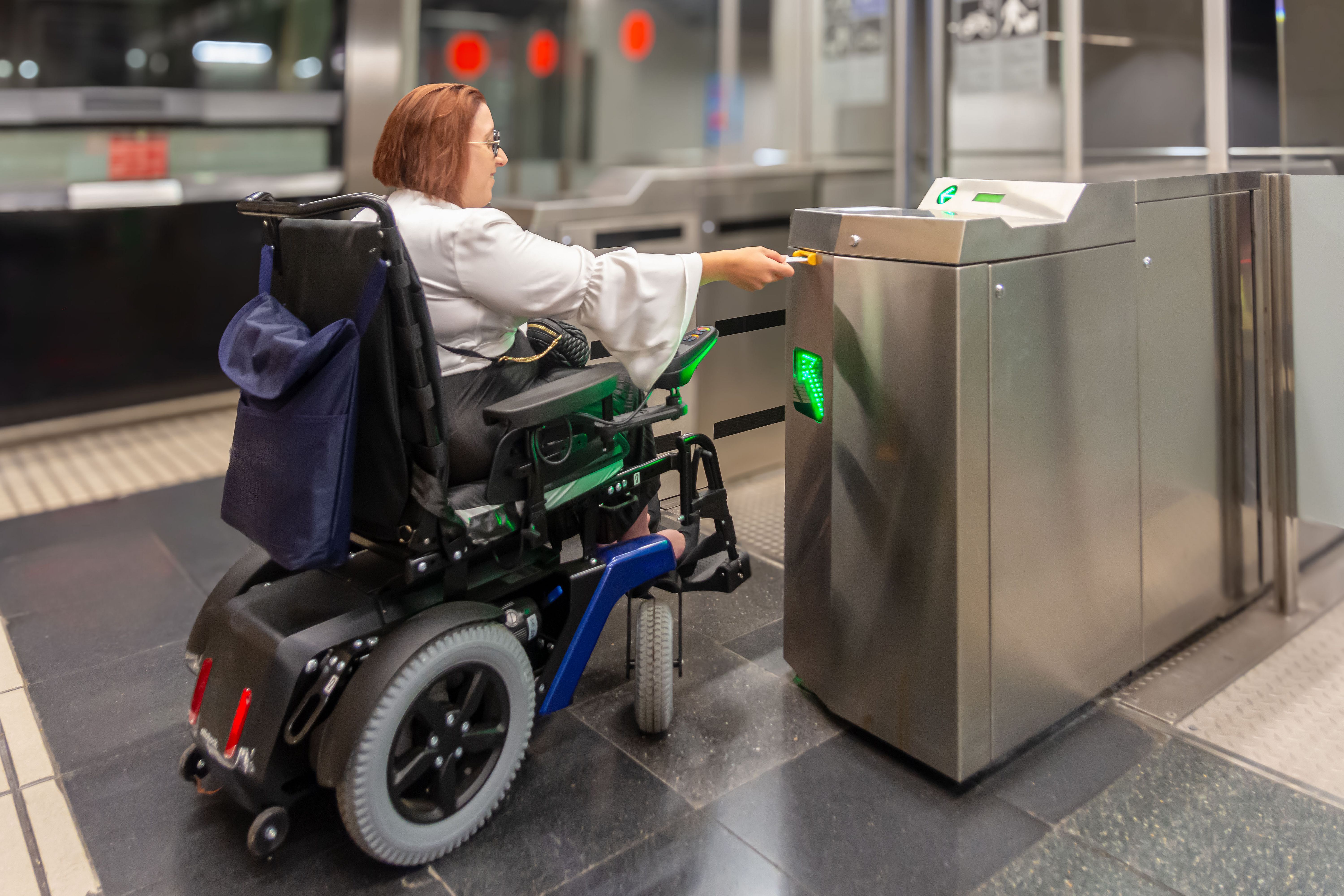
Smart elevators are leading the charge in modern lift systems. These elevators are equipped with advanced sensors and IoT technology, allowing them to make real-time decisions and optimize routes. This reduces waiting times and energy consumption, making the ride smoother and more efficient.
Moreover, smart elevators can be integrated with building management systems, providing valuable data analytics for maintenance and operational efficiency. With these capabilities, building managers can predict and resolve issues before they become significant problems.
Energy-efficient Solutions
Reducing energy consumption is a critical focus for elevator manufacturers. Today’s systems include regenerative drives that convert excess energy generated by the elevator into electricity, which can then be used by the building. This not only reduces energy costs but also minimizes the environmental impact.
Touchless and Voice-activated Controls
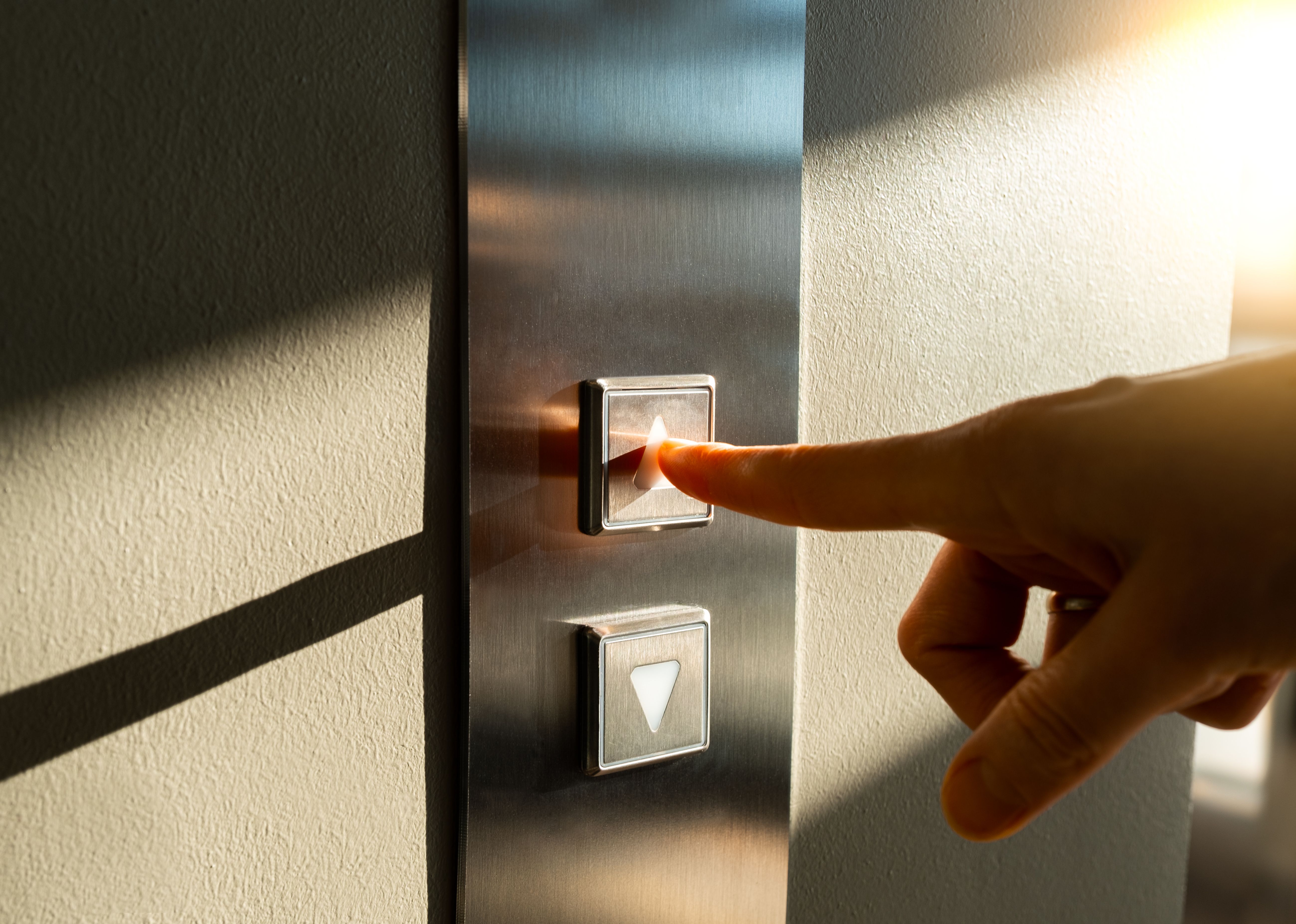
The COVID-19 pandemic accelerated the demand for touchless technology. Modern elevators now feature touchless control panels and voice-activated systems, allowing passengers to select floors without touching any surfaces. This innovation significantly enhances hygiene and user experience.
These systems use advanced speech recognition software to accurately interpret commands, even in noisy environments, ensuring seamless and reliable operation.
Advanced Safety Features
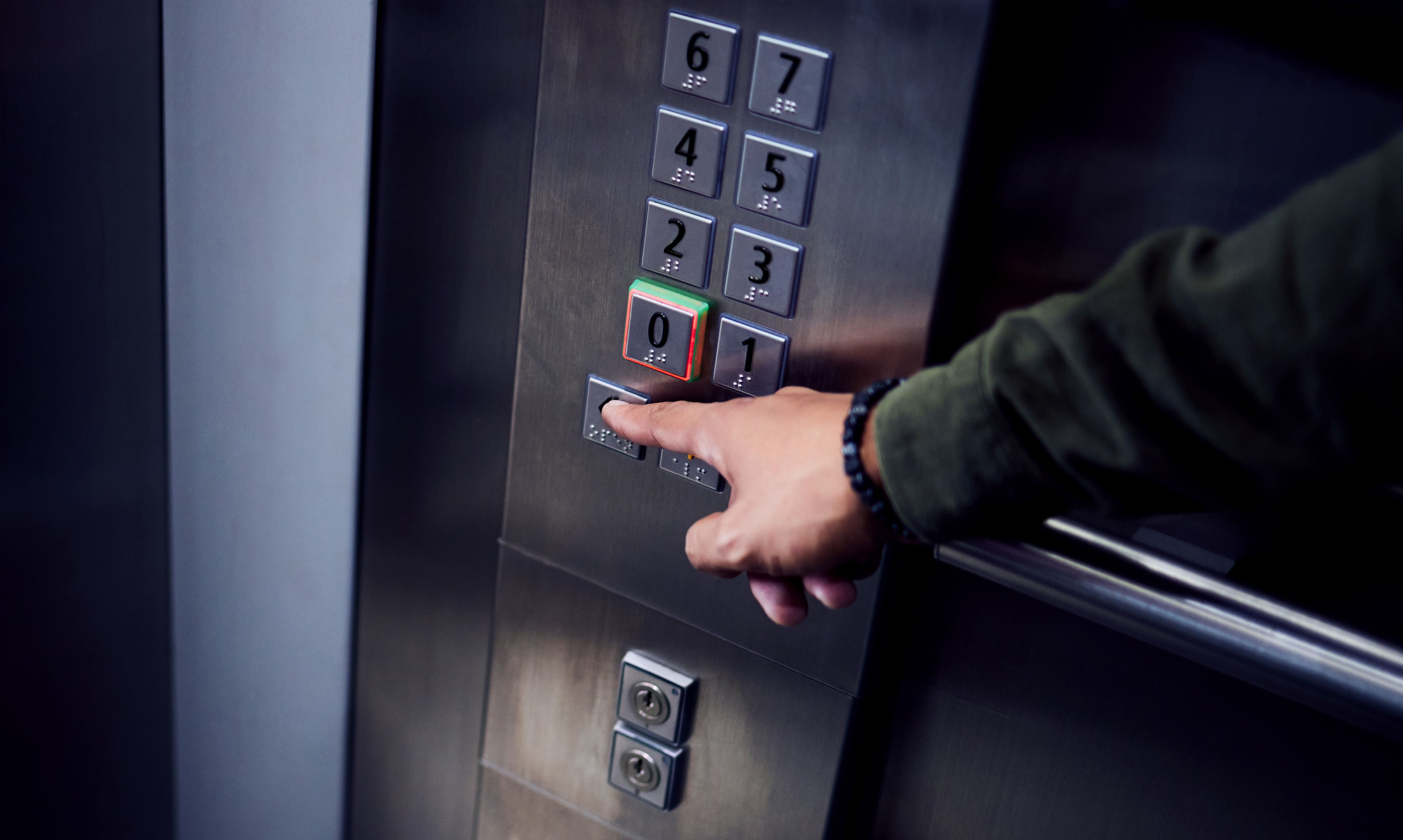
Safety remains a top priority in elevator design. Recent innovations include enhanced braking systems, earthquake-resistant designs, and real-time monitoring of elevator components. These features ensure that elevators operate safely and efficiently, even under challenging conditions.
Innovations in Design and Aesthetics
Elevator design has also evolved to match modern architectural trends. Sleeker designs, customizable interiors, and panoramic glass walls are becoming increasingly popular. These design elements not only enhance the aesthetic appeal but also improve user experience by creating a more comfortable and engaging environment.
Moreover, modern elevators can be customized to fit the specific design requirements of any building, providing a perfect blend of functionality and style.
Conclusion: The Path Forward
The advancements in elevator technology are reshaping the landscape of urban mobility. As cities continue to grow, the integration of smart, efficient, and aesthetically pleasing elevator systems will be crucial in meeting the demands of modern infrastructure. The future of elevator technology promises even more exciting innovations, ensuring that our vertical journeys are as efficient and enjoyable as possible.