Modernization of Old Elevators: Key Benefits and Considerations


The Importance of Elevator Modernization
As buildings age, so do their elevators. Many older buildings still operate with outdated elevator systems that can lead to inefficiencies, increased maintenance costs, and potential safety issues. Modernizing old elevators is not only crucial for safety but also enhances performance and reliability, making it a wise investment for building owners.
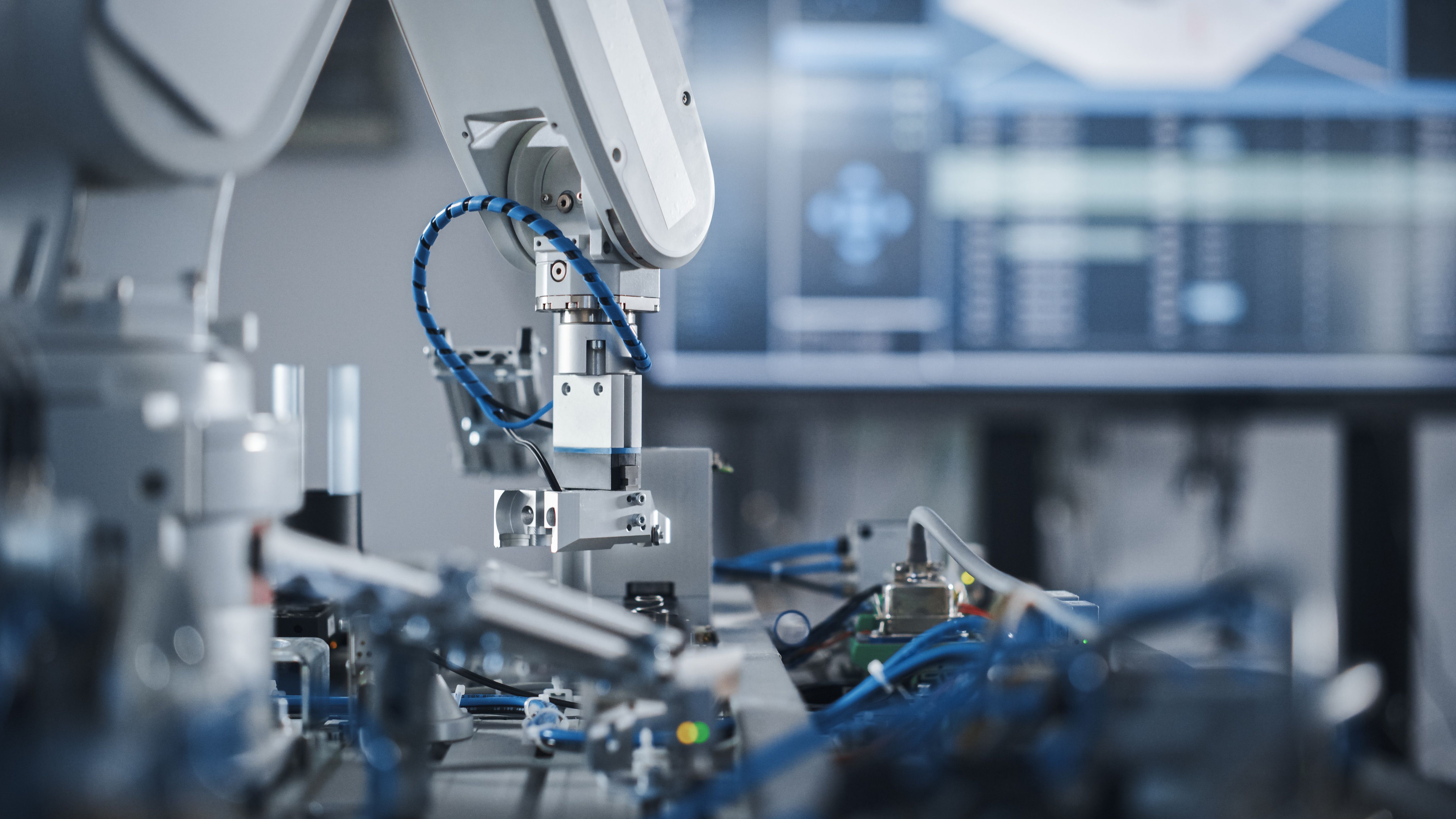
Modernization involves upgrading various components of an elevator system, including the control system, machinery, and aesthetics. This process can significantly extend the lifespan of an elevator and improve its functionality.
Key Benefits of Modernizing Elevators
Improved Safety and Compliance
Safety is a primary concern when it comes to elevators. Modernization ensures that elevators meet current safety standards and regulations. Upgraded systems often include advanced safety features such as emergency communication systems, improved braking systems, and door sensors.
Enhanced Energy Efficiency
Older elevators can be energy hogs, consuming more power than necessary. By upgrading to energy-efficient systems, building owners can reduce energy consumption and lower operational costs. Modern systems often incorporate regenerative drives and LED lighting, contributing to a smaller carbon footprint.
Considerations for Modernization
Assessing the Current System
Before undertaking a modernization project, it is essential to assess the current system's condition. This includes evaluating the mechanical components, electrical systems, and overall performance. A professional assessment can help determine which parts need upgrading and what improvements will be most beneficial.
Budget and Timeline
Modernization can be a significant investment, so careful planning is crucial. Establishing a budget and timeline ensures that the project stays on track and within financial constraints. It's important to work with experienced professionals who can provide accurate estimates and realistic timelines.
The Role of Technology in Modernization
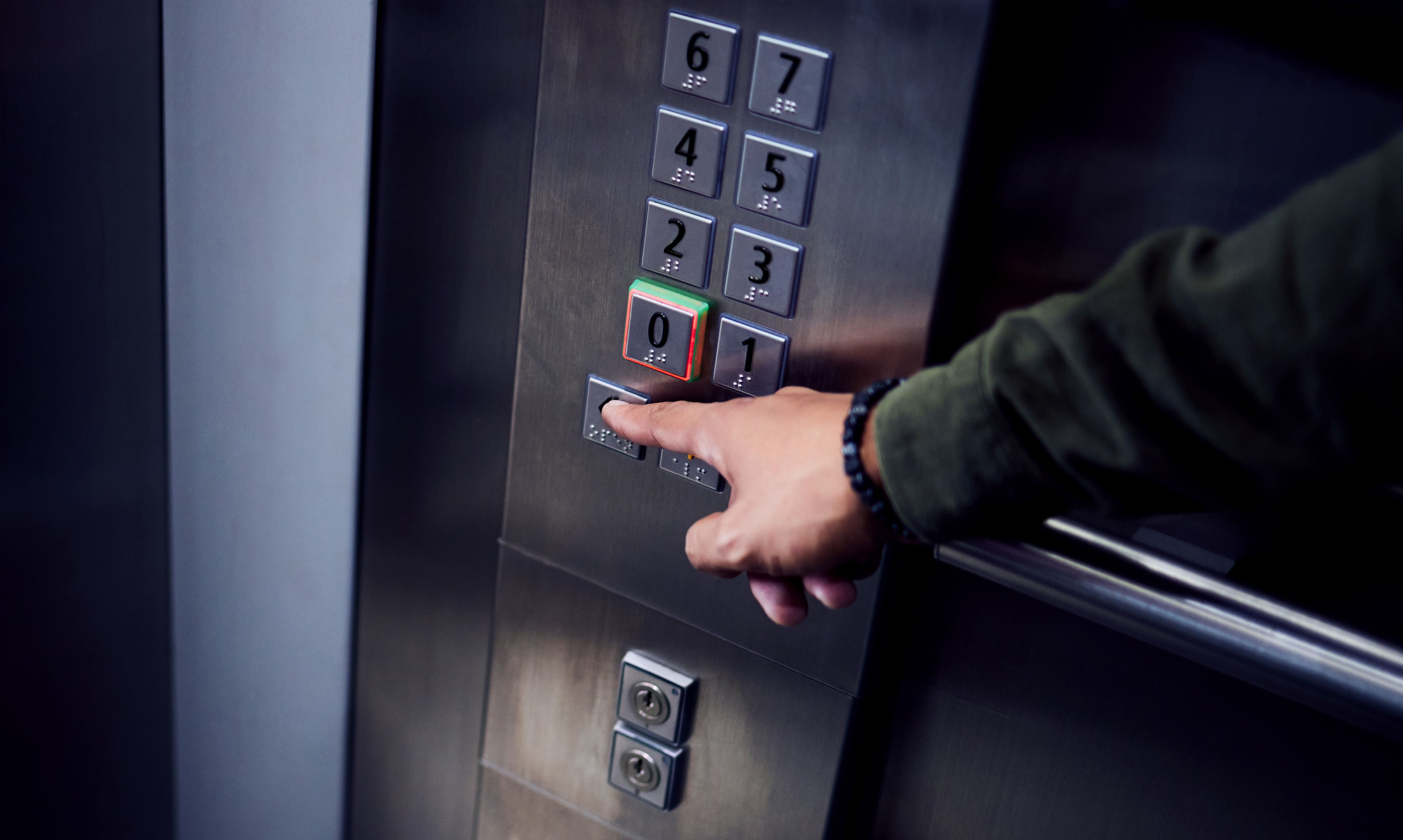
Technology plays a vital role in elevator modernization. Innovations such as destination dispatch systems and smart elevators equipped with IoT capabilities can greatly enhance user experience. These technologies allow for more efficient traffic management and provide real-time data for maintenance and performance monitoring.
Furthermore, integrating smart technology can offer predictive maintenance capabilities, reducing downtime and extending the lifespan of the elevator system. This proactive approach to maintenance ensures that potential issues are addressed before they become major problems.
Conclusion
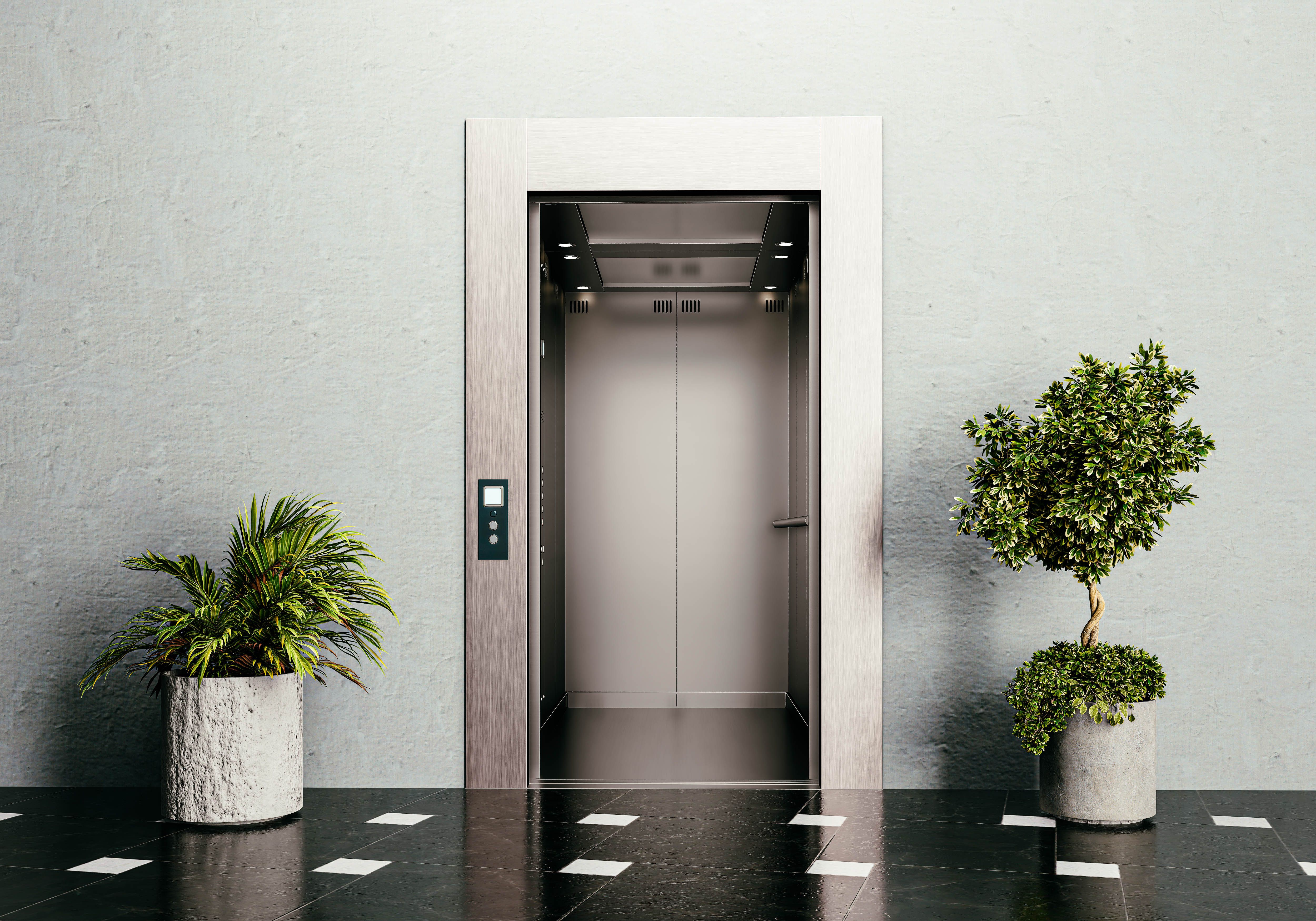
Modernizing old elevators is an essential step for building owners looking to improve safety, efficiency, and user satisfaction. By investing in modernization, building owners not only enhance the value of their property but also ensure that their elevator systems are reliable and up-to-date with the latest technology and safety standards.
Whether for residential, commercial, or industrial buildings, elevator modernization offers significant benefits that make it a worthwhile consideration for any property owner. With careful planning and the right partners, the process can be smooth and highly rewarding.