Modernizing Your Lift: A Step-by-Step Guide


Understanding the Need for Lift Modernization
As buildings age, the technology within them can become outdated, and this includes elevators. Modernizing your lift not only enhances safety and reliability but also improves energy efficiency and user experience. Recognizing when your lift needs an upgrade is the first step in ensuring your building remains up-to-date.
Common signs that indicate the need for modernization include frequent breakdowns, slow operation, or an outdated appearance. If your lift is over 15 years old, it's likely time to consider an upgrade.
Benefits of Modernizing Your Lift
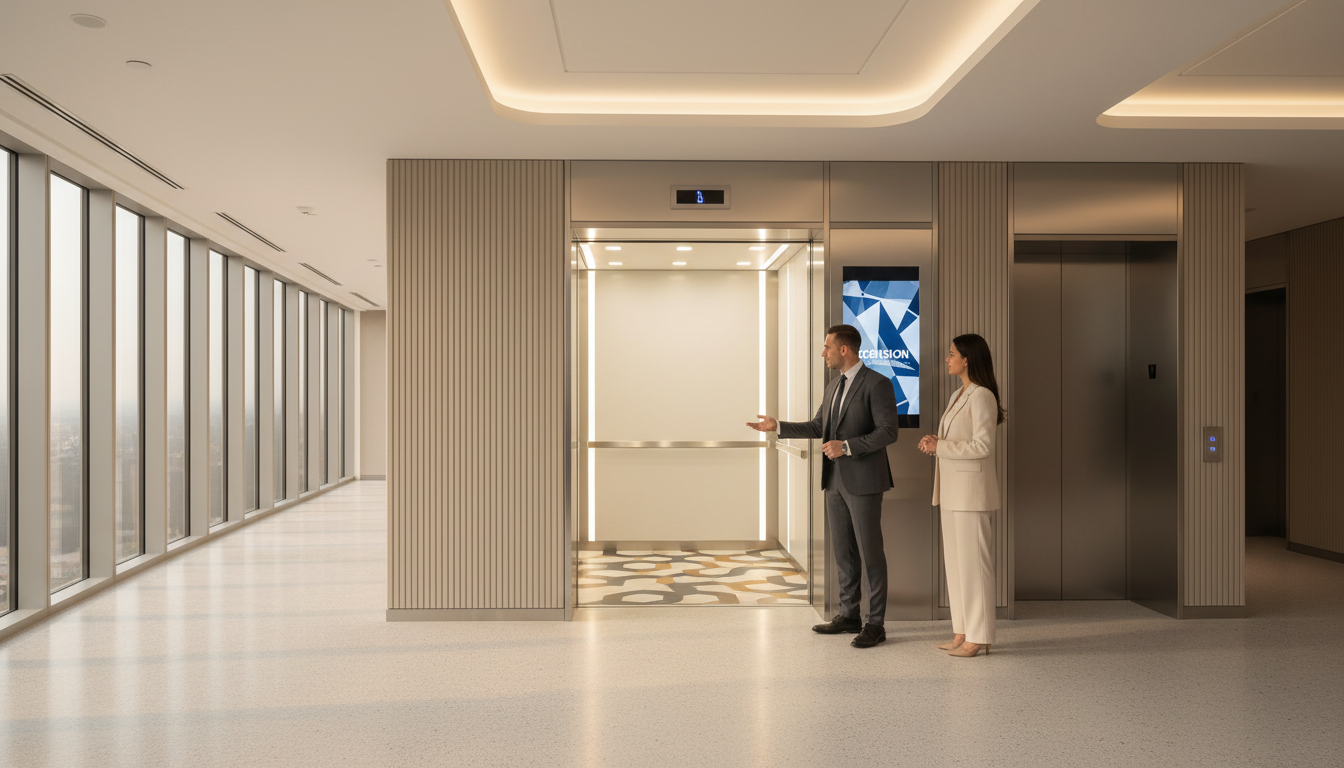
There are numerous advantages to modernizing your lift. First and foremost, a modern lift ensures increased safety for all users. Advances in technology mean newer systems are equipped with enhanced safety features that older models lack.
Moreover, modern lifts are more energy-efficient. By replacing outdated components, you can significantly reduce energy consumption, leading to cost savings on utility bills. Additionally, a modern lift can contribute to an improved building aesthetic, which can enhance property value.
Steps to Modernize Your Lift
Step 1: Evaluation and Planning
Begin with a thorough evaluation of your current lift system. This can be conducted by a professional who will assess the condition and performance of your lift. Based on this evaluation, a detailed plan can be created to address specific needs and goals.
Consulting experts is crucial at this stage to ensure you understand all available options, including partial upgrades or complete replacements depending on the state of your lift.
Step 2: Selecting Modern Components
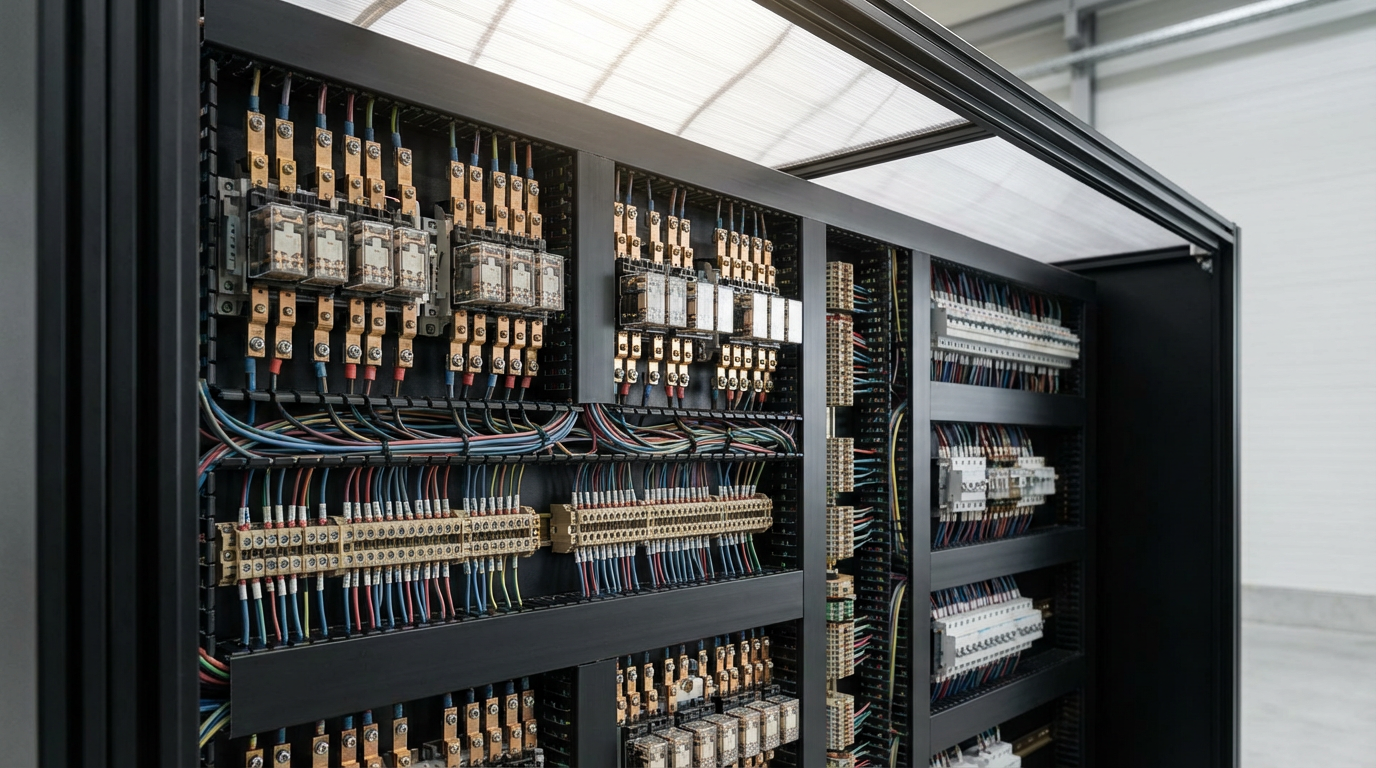
Once you have a plan in place, the next step is selecting the components to be upgraded. This can include control systems, motors, door operators, and interior finishes. Prioritize components that will have the most significant impact on performance and user experience.
Step 3: Installation and Testing
After selecting the components, the installation process can begin. It's important to work with experienced professionals to ensure the modernization is done efficiently and safely. This step may require temporary shut down of the lift, so plan accordingly to minimize inconvenience.
Once installation is complete, thorough testing is essential to ensure all systems operate smoothly and safely. This includes checking all safety features and ensuring compliance with local regulations.
Maintaining Your Modernized Lift
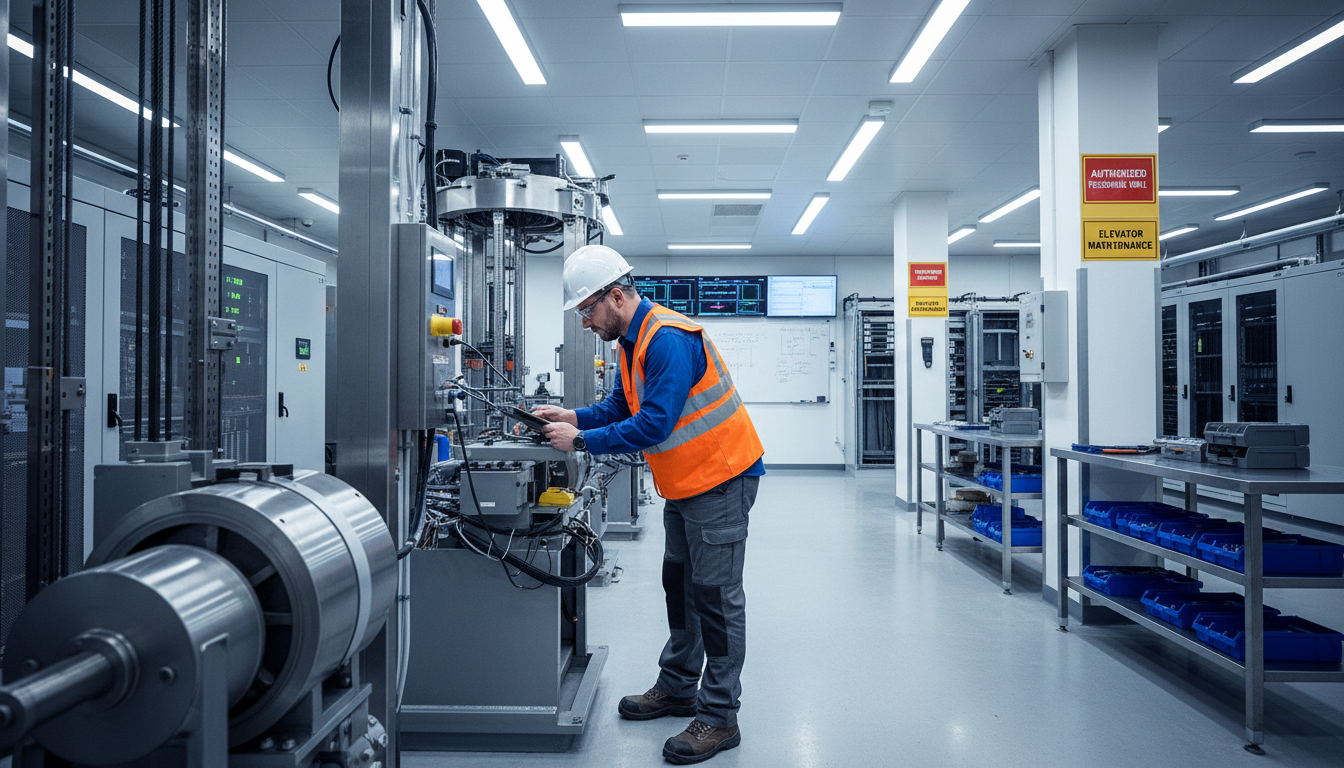
After modernization, regular maintenance is key to extending the lifespan of your lift and maintaining its performance. Schedule routine inspections and maintenance with qualified technicians to address any issues before they escalate.
Keeping a maintenance log can help track the performance and service history of your lift, ensuring it remains in optimal condition for years to come.