Navigating Lift and Escalator Regulations in Jakarta: A Complete Guide


For businesses and property owners in Jakarta, understanding the regulations surrounding lifts and escalators is crucial for both safety and compliance. These regulations ensure that all equipment operates safely and efficiently, protecting users from potential hazards. This guide will walk you through the essential aspects of lift and escalator regulations in Jakarta.
Understanding the Regulatory Framework
The regulatory framework for lifts and escalators in Jakarta is designed to maintain high safety standards. These regulations are overseen by the Ministry of Manpower and Transmigration, which sets guidelines for installation, maintenance, and inspections.
Compliance with these regulations is mandatory for all businesses. Failure to adhere can result in fines or more severe penalties. It’s crucial for property managers to familiarize themselves with these rules to ensure their equipment is up to standard.
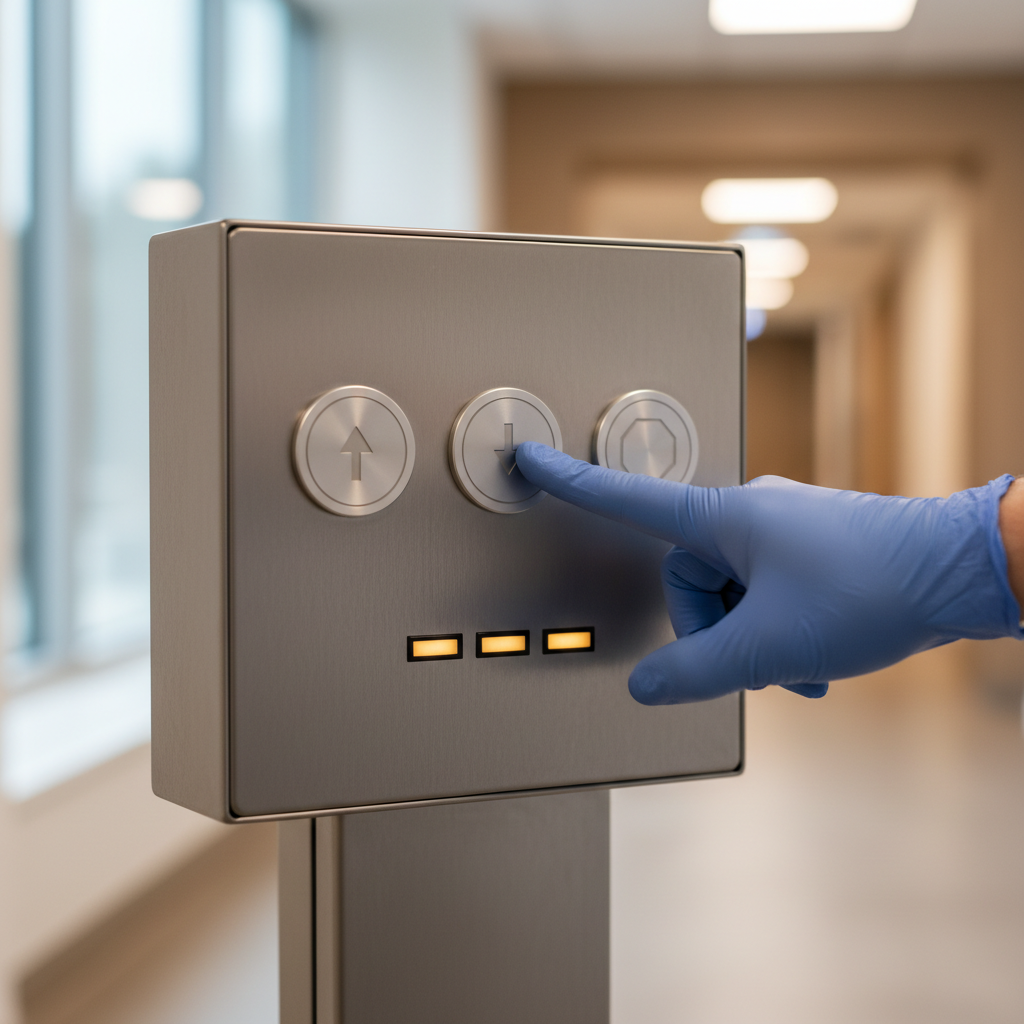
Key Regulations for Installation
When installing new lifts or escalators, there are several key regulations to consider. First, only certified contractors should be engaged for the installation process. This ensures that the equipment is installed correctly and meets all safety standards.
Additionally, all new installations must undergo a thorough inspection before they are operational. This inspection is conducted by a certified engineer who checks for compliance with safety standards and operational efficiency.
Documentation Requirements
Proper documentation is essential for compliance. Businesses must maintain detailed records of all installations, including contractor details, inspection reports, and compliance certificates. These documents should be readily available for review by regulatory bodies.
Maintenance and Safety Inspections
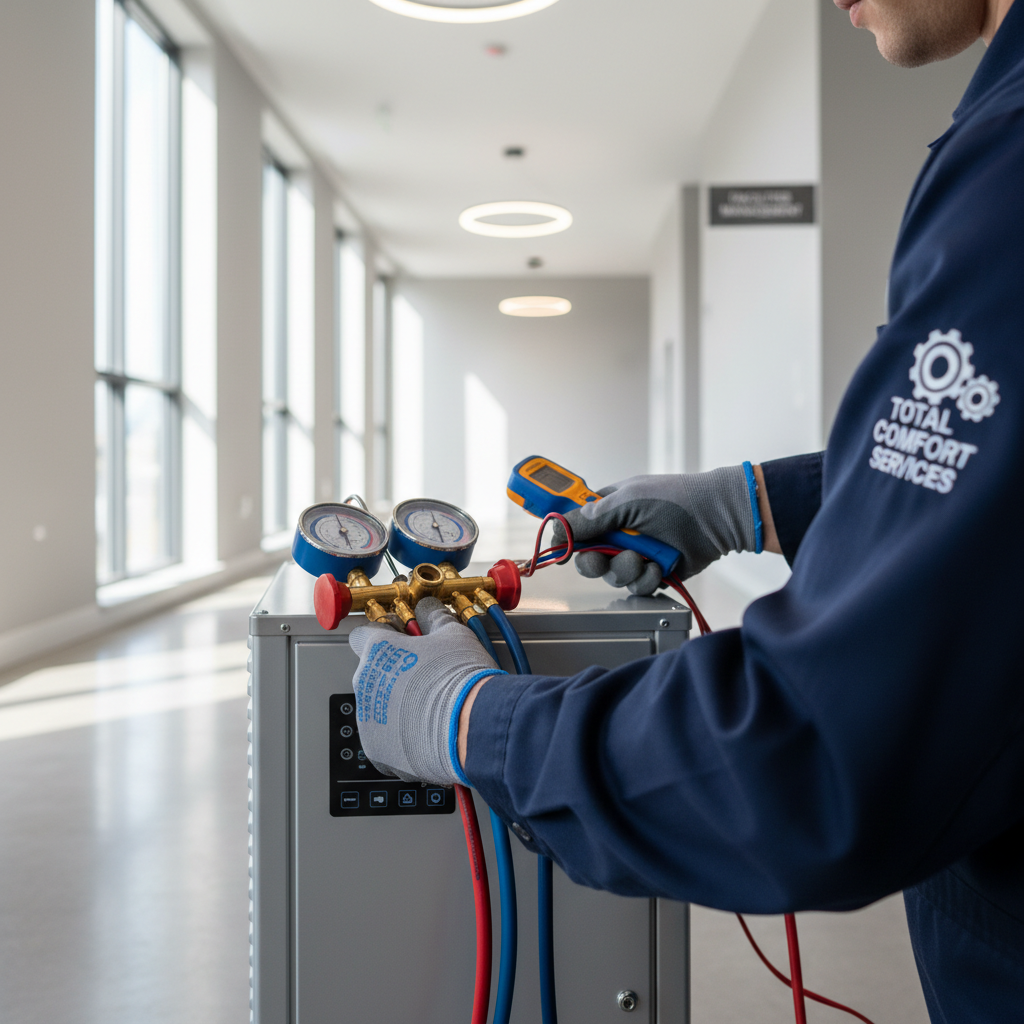
Regular maintenance and safety inspections are vital components of the regulatory requirements. Lifts and escalators must be serviced at least once a year by a licensed technician. This helps identify any potential issues early and ensures the equipment remains safe for public use.
During these inspections, technicians will check for mechanical wear, alignment issues, and any other potential hazards. Keeping a detailed log of all maintenance activities is also a regulatory requirement.
Emergency Protocols
Establishing and adhering to emergency protocols is another important aspect of compliance. Property managers should ensure that staff are trained to handle emergencies, such as entrapments or mechanical failures, swiftly and safely.
Emergency drills should be conducted regularly to ensure readiness. Clear signage and instructions should also be placed near all lifts and escalators to guide users in case of an emergency.
Staying Updated with Regulatory Changes
Regulations can change, and staying informed about any updates is crucial for continued compliance. Property managers should regularly consult with regulatory bodies or industry experts to stay abreast of any new requirements or safety standards.
Engaging with professional associations and participating in industry seminars can also provide valuable insights and updates on regulatory changes.

By understanding and adhering to these regulations, businesses can ensure the safe and efficient operation of lifts and escalators in Jakarta. Compliance not only safeguards users but also protects businesses from potential legal issues, ensuring a safe environment for all.