The Impact of Jakarta’s Climate on Elevator Maintenance and Longevity


Understanding Jakarta's Climate
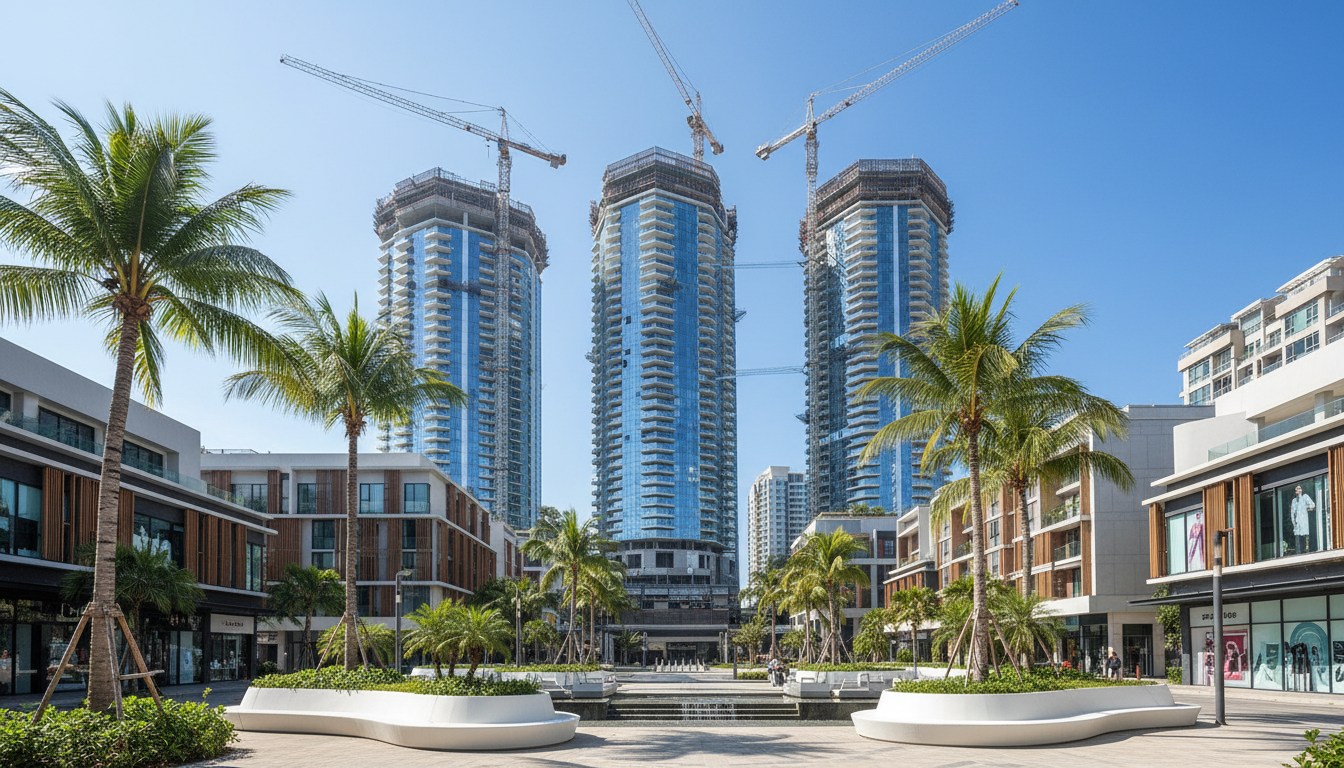
Jakarta, the bustling capital of Indonesia, is known for its tropical monsoon climate. This results in high temperatures and humidity throughout the year. Such environmental conditions can have a significant impact on various infrastructure elements, including elevators.
With an average temperature hovering around 28 degrees Celsius and humidity levels often exceeding 80%, materials used in construction, especially metals, are prone to wear and tear. This makes regular maintenance of elevators crucial to ensure their longevity and safety.
Effects of Humidity on Elevator Systems
Humidity can be particularly detrimental to elevator systems. Moisture can lead to the corrosion of metal components, including cables, pulleys, and other essential parts. This corrosion can compromise the structural integrity of the elevator, leading to potential malfunctions.
Moreover, humidity can affect electrical components. Moisture can cause short circuits and electrical failures, which may result in unexpected elevator shutdowns. Hence, it's vital to use moisture-resistant materials and implement comprehensive maintenance checks.
Preventive Maintenance Strategies
To combat the adverse effects of Jakarta's humid climate, implementing preventive maintenance strategies is essential. These strategies not only enhance the longevity of elevators but also ensure their efficient operation.
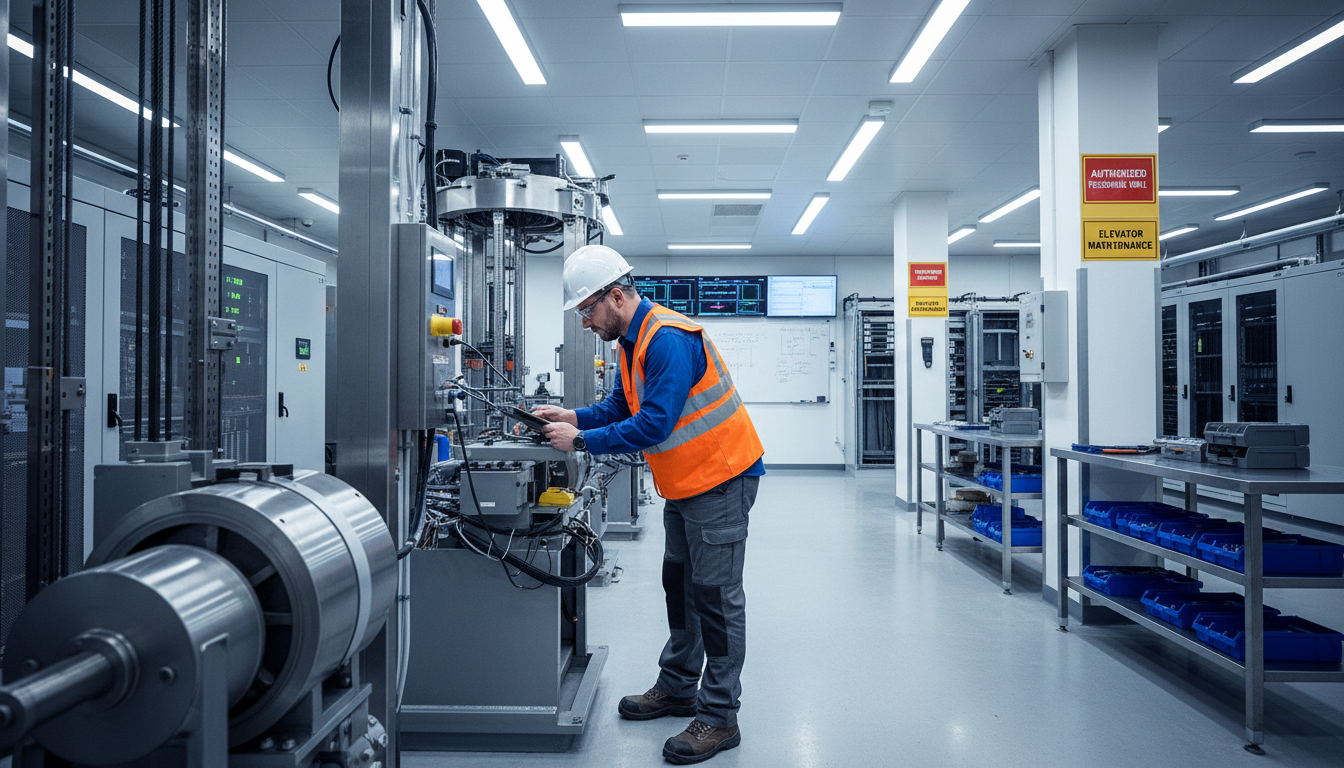
- Regular inspections by qualified technicians.
- Use of anti-corrosive materials and coatings.
- Installation of dehumidifiers in elevator shafts.
Impact of Temperature Fluctuations
While Jakarta’s temperature remains relatively stable, fluctuations between day and night can still impact elevator systems. Thermal expansion and contraction of metal parts can lead to misalignment and increased wear on moving components.
Elevator manufacturers often design systems with these temperature variations in mind, but regular adjustments and calibrations are necessary to maintain optimal performance.
Technological Adaptations
To address these challenges, many elevator companies are incorporating advanced technologies. Smart sensors can monitor environmental conditions and adjust elevator operations accordingly, reducing the risk of damage.
These innovations not only improve the reliability of elevators but also enhance passenger safety and comfort, making them a worthwhile investment for building managers.
Conclusion
The climate in Jakarta presents unique challenges for elevator maintenance and longevity. By understanding the specific effects of humidity and temperature fluctuations, building managers can implement effective maintenance strategies to prolong the life of their elevator systems.
Investing in regular maintenance, using advanced technologies, and employing weather-resistant materials will ensure that elevators remain safe and functional, providing reliable service to all users.