Troubleshooting Common Elevator Issues: A DIY Approach


Understanding Basic Elevator Mechanics
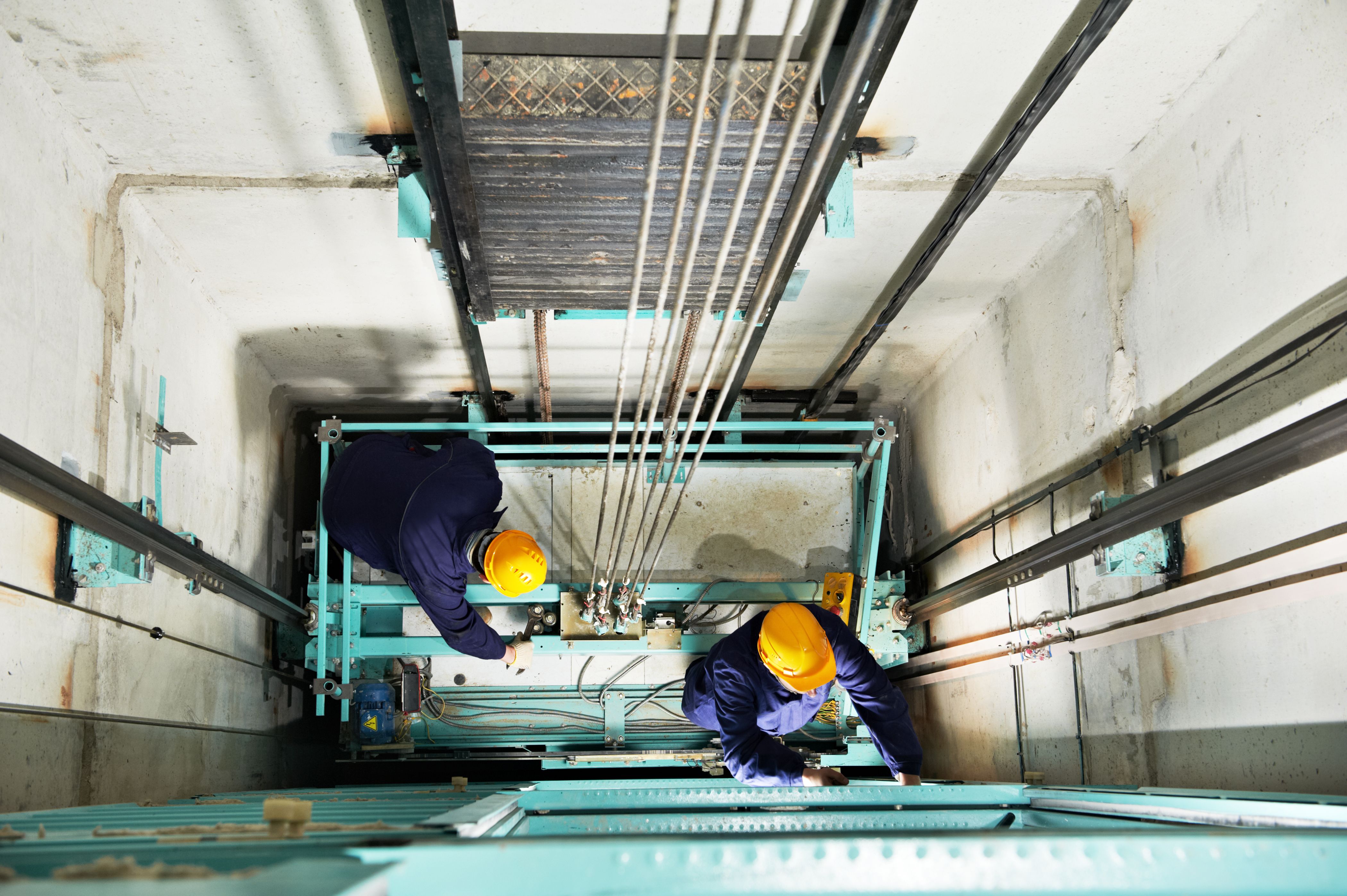
Elevators are complex systems that rely on various components working in harmony. Understanding the basics of how elevators function can help in identifying and troubleshooting common issues. At its core, an elevator system consists of the cab, motor, pulley, and control system.
When elevators malfunction, it's often due to issues with these components. Recognizing the signs of trouble early can prevent more serious problems from arising. By understanding the typical causes of elevator malfunctions, you can more effectively address them.
Common Elevator Problems and Solutions
Elevator Not Moving
If the elevator isn't moving, the problem could be as simple as a tripped circuit breaker or a more complex issue involving the motor. First, check the power supply. Ensure that the circuit breaker is in the "on" position. If the issue persists, it may require professional intervention.
Doors Not Opening or Closing Properly
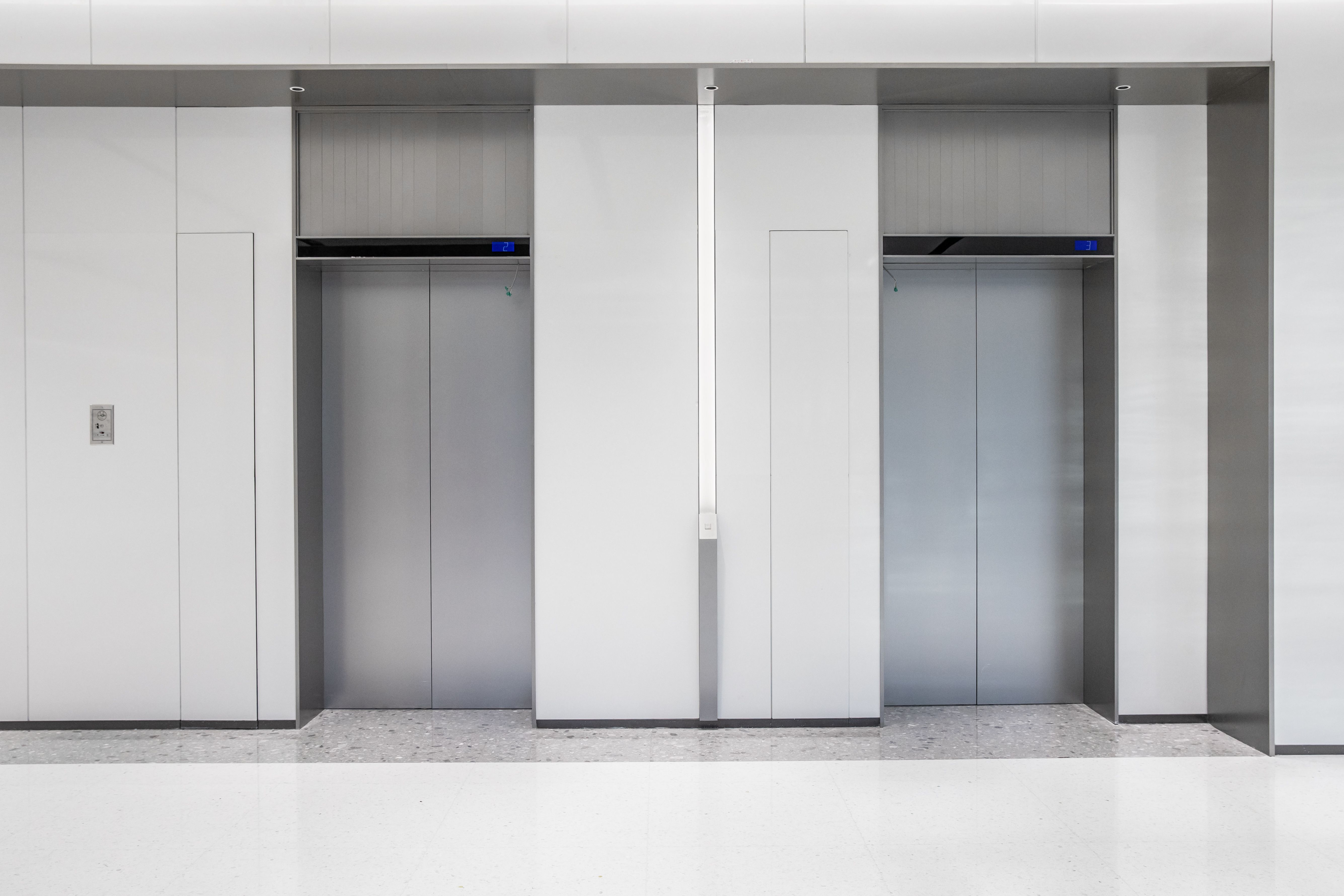
Issues with elevator doors are common and can often be resolved with a little troubleshooting. Check for any obstructions in the door tracks. Clean the tracks and ensure they are free from debris. If the problem continues, the door sensors may need adjustment or replacement.
Handling Unusual Noises
Unusual noises can be a sign of mechanical wear and tear. Listen carefully to pinpoint the source of the noise. It could be from the motor, pulley system, or even the cab itself. Lubricating moving parts can sometimes resolve these issues. However, if noises persist, it might be time to consult a professional technician.
Lubrication Tips
Regular lubrication of the elevator's moving parts can prevent noise and promote smooth operation. Use the appropriate lubricant recommended by the manufacturer and apply it to hinges, rollers, and tracks. Avoid over-lubrication, as this can attract dust and result in further issues.
Addressing Operational Delays
Delays in elevator operation can be frustrating. These delays are often caused by issues within the control system. Resetting the system by turning the power off and on might resolve minor glitches. For persistent issues, the control board may need inspection or replacement.
Regular Maintenance
To prevent operational delays and other common issues, regular maintenance is crucial. Schedule routine inspections with a licensed elevator technician to ensure all components are functioning optimally. Regular maintenance not only extends the lifespan of the elevator but also enhances safety.
In conclusion, while some elevator issues can be handled with a DIY approach, it's important to recognize when professional help is needed. By understanding basic elevator mechanics and performing regular maintenance, you can keep your elevator running smoothly and safely.