Understanding Jakarta's Regulations for Lift and Escalator Safety


Introduction to Jakarta's Safety Regulations
Ensuring the safety of lift and escalator systems is crucial in bustling cities like Jakarta, where these modes of transportation are integral to daily life. The local government has implemented a comprehensive set of regulations to safeguard users and maintain the reliability of these systems.
Understanding these regulations is essential for building owners, facility managers, and maintenance personnel. Compliance not only ensures safety but also helps avoid potential legal issues.

Key Regulations and Standards
Jakarta's regulations for lifts and escalators are guided by both national and international standards. The Indonesian National Standard (SNI) plays a significant role, aligning with global best practices to ensure safety and efficiency.
Among these standards, several aspects are emphasized, including design specifications, installation procedures, and maintenance requirements. Regular inspections are mandated to ensure ongoing compliance and safety.
Installation and Maintenance Requirements
Proper installation is the first step in ensuring the safety of lifts and escalators. Only certified professionals are authorized to install these systems, following stringent guidelines to prevent accidents.
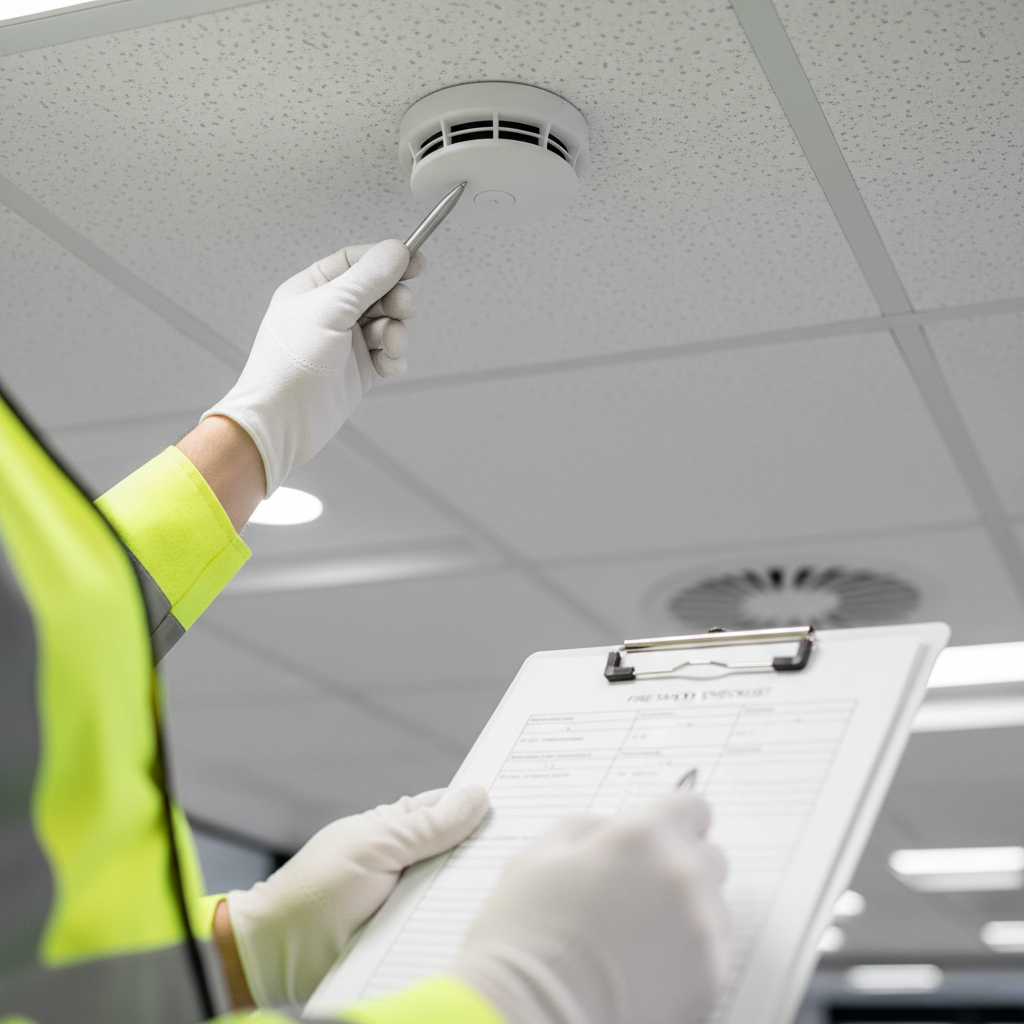
Maintenance is equally crucial. The regulations require regular checks and servicing by qualified technicians. This includes inspecting mechanical parts, testing emergency systems, and ensuring that all safety features are operational.
Roles and Responsibilities
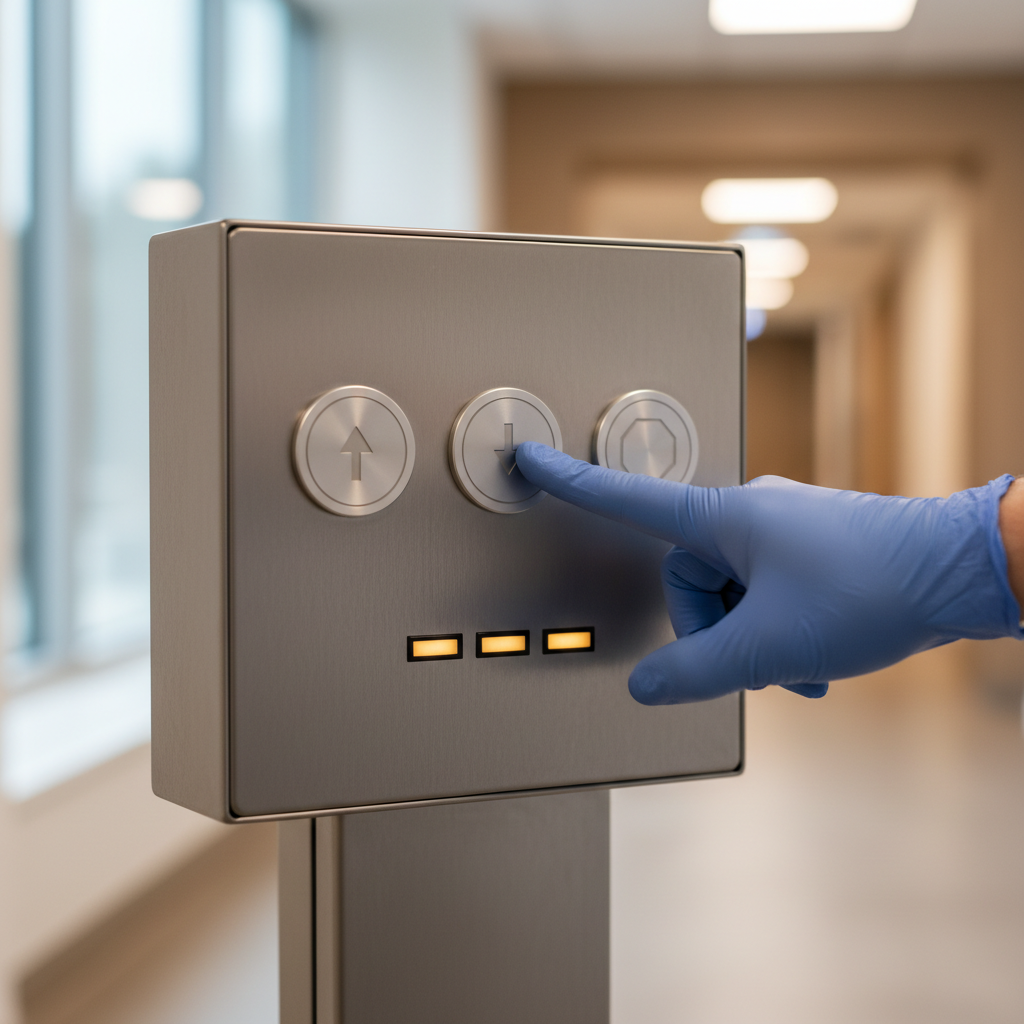
Building owners and facility managers play a pivotal role in compliance. They must ensure all lifts and escalators are inspected regularly and that any issues are promptly addressed. Failure to do so can result in penalties and increased liability.
Qualified engineers and technicians are responsible for conducting inspections and maintenance. Their expertise ensures that all systems operate smoothly and safely, minimizing the risk of malfunctions.
Common Challenges and Solutions
One common challenge in maintaining lift and escalator safety is the aging infrastructure in many buildings. Upgrading these systems can be costly but is essential for compliance and safety.
To address these challenges, many building owners are opting for modernization programs that improve safety features and efficiency. These programs often include updated control systems and enhanced monitoring capabilities.
Conclusion
Understanding and adhering to Jakarta's regulations for lift and escalator safety is vital for all stakeholders involved. These regulations not only protect users but also enhance the overall functionality and reliability of these essential systems.
By prioritizing safety and compliance, Jakarta continues to set the standard for urban transportation infrastructure, ensuring that residents and visitors can move safely and efficiently throughout the city.