Understanding the Latest Trends in Elevator and Escalator Modernization


Introduction to Elevator and Escalator Modernization
Elevators and escalators are essential components of modern infrastructure, ensuring the smooth and efficient movement of people in buildings. As technology advances, the need to modernize these systems becomes increasingly apparent. Understanding the latest trends in elevator and escalator modernization can help building owners and managers make informed decisions.
Why Modernization is Necessary
Modernization is crucial for improving safety, efficiency, and aesthetics. Older systems may not comply with current safety regulations, posing risks to users. Additionally, outdated elevators and escalators often experience frequent breakdowns and consume more energy than their modern counterparts.
By upgrading these systems, building owners can enhance the overall experience for users, reduce maintenance costs, and increase the property's value. Modernization can also significantly reduce energy consumption, aligning with sustainability goals.
Key Trends in Modernization
Smart Technology Integration
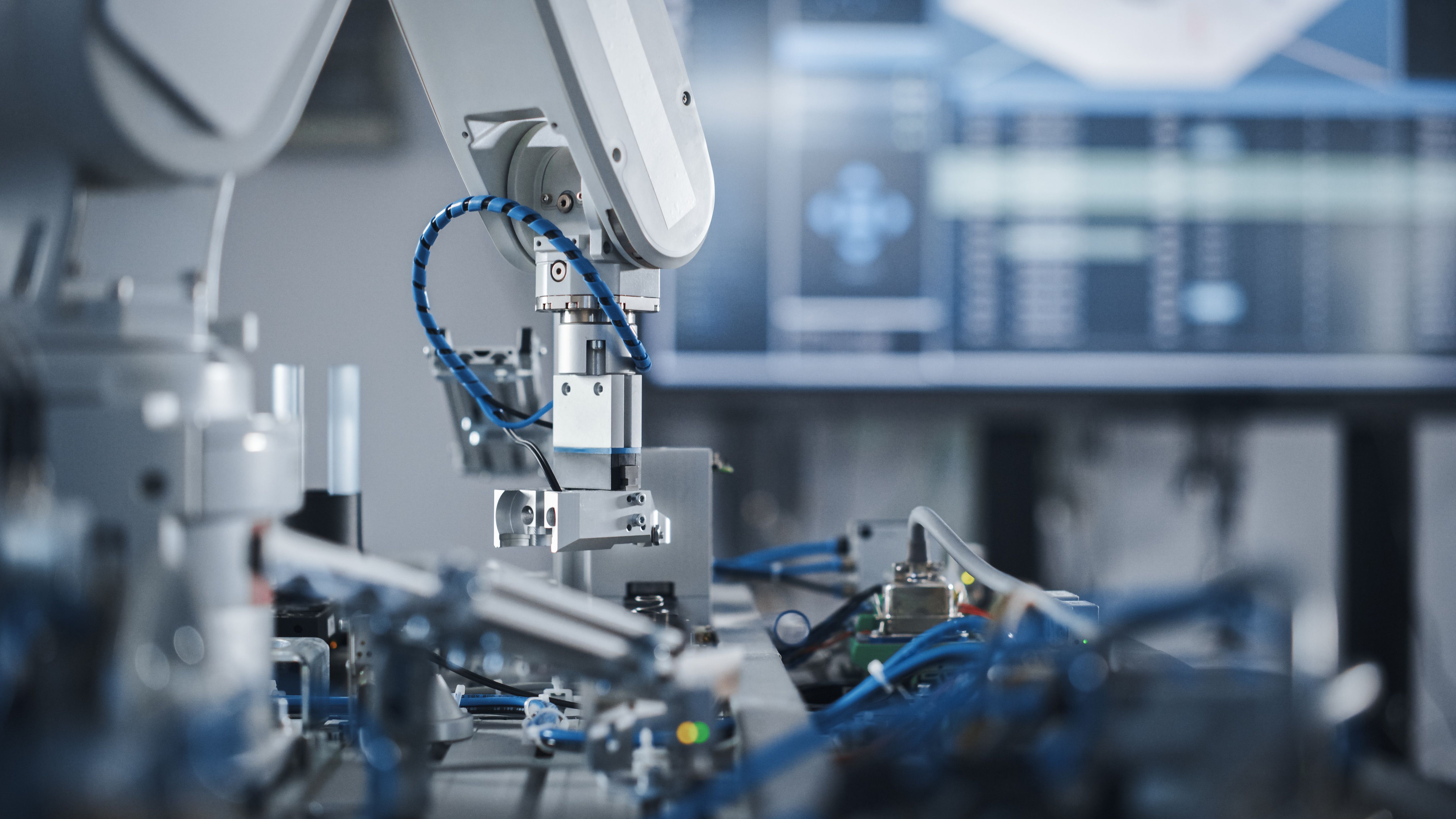
One of the most significant trends in elevator and escalator modernization is the integration of smart technology. Advanced systems now incorporate Internet of Things (IoT) devices, allowing for real-time monitoring and predictive maintenance. This technology minimizes downtime and enhances user safety by alerting technicians to potential issues before they escalate.
Energy Efficiency Improvements
Energy efficiency is a major focus in modernization projects. Newer elevator motors and control systems are designed to consume less energy, reducing the building's overall carbon footprint. Regenerative drives are also becoming popular, as they can capture and reuse energy that would otherwise be lost.
Enhancing User Experience
Design and Aesthetics
Modernization is not just about functionality; aesthetics play a crucial role in user satisfaction. Contemporary designs with sleek finishes and modern materials can make a significant difference in how a building is perceived. Features like touchless controls and personalized user interfaces are becoming increasingly common.
Accessibility and Inclusivity
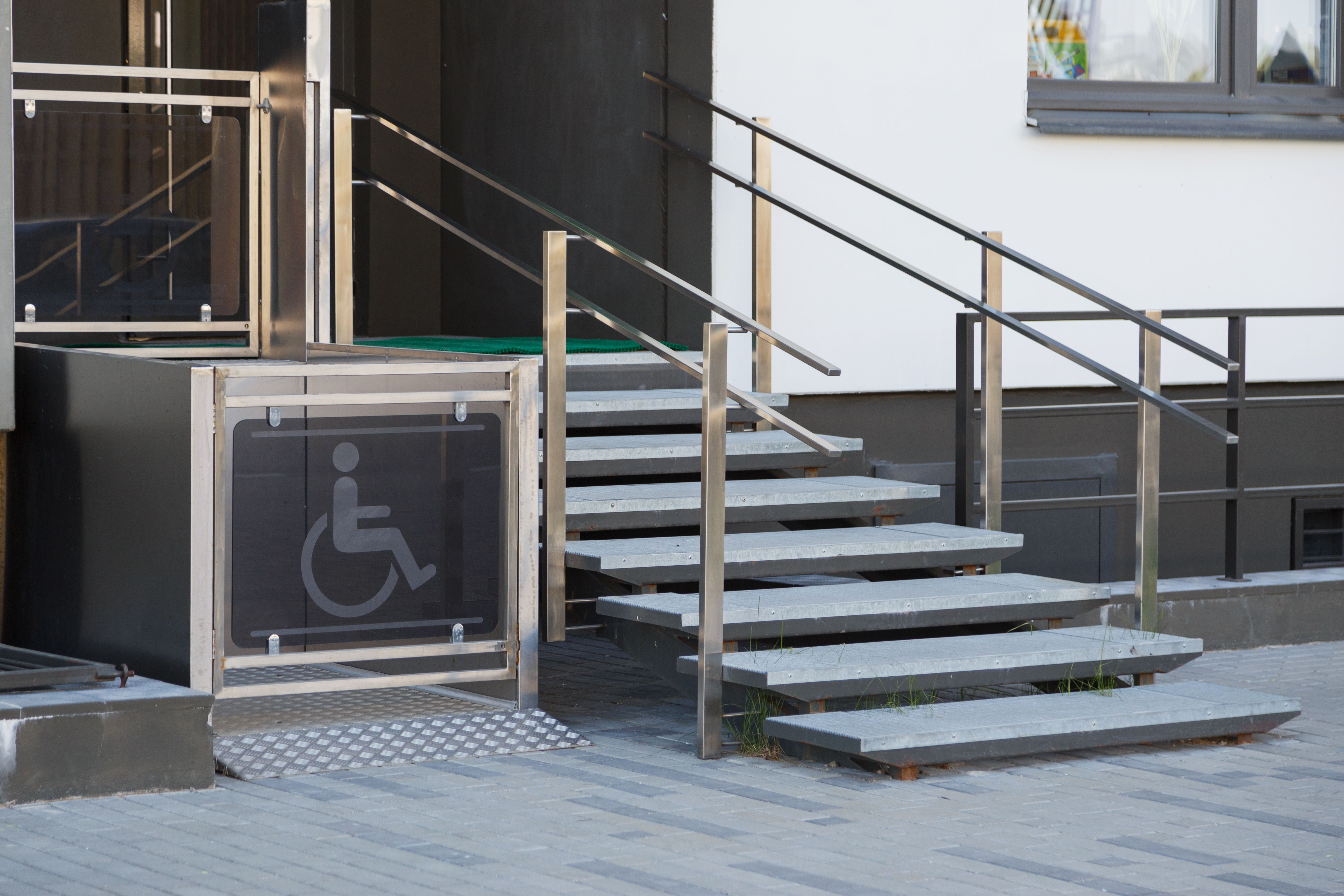
Ensuring accessibility is another critical trend. Modern systems often include features that accommodate individuals with disabilities, such as voice-activated controls and Braille buttons. These improvements ensure that all users can navigate buildings comfortably and independently.
Challenges and Considerations
While modernization offers numerous benefits, there are challenges to consider. Budget constraints, downtime during installation, and the need for specialized technicians can be potential hurdles. It's essential to plan carefully and choose experienced professionals to minimize disruptions.
Overall, understanding the latest trends in elevator and escalator modernization can help building owners make strategic decisions that benefit both users and the environment. By embracing these advancements, buildings can offer safer, more efficient, and environmentally friendly vertical transportation solutions.